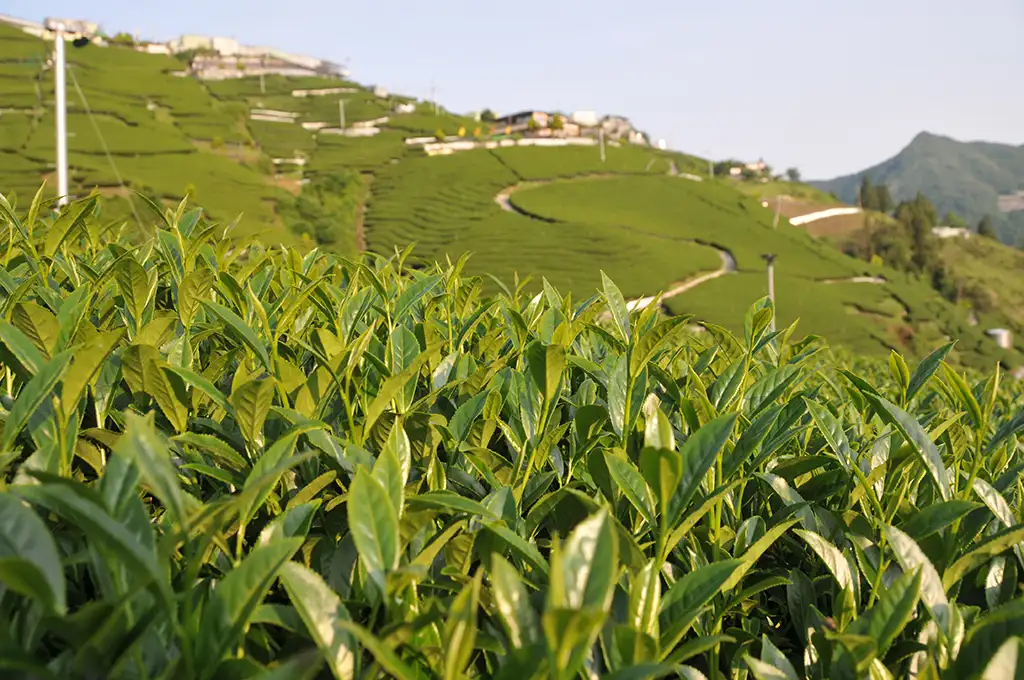
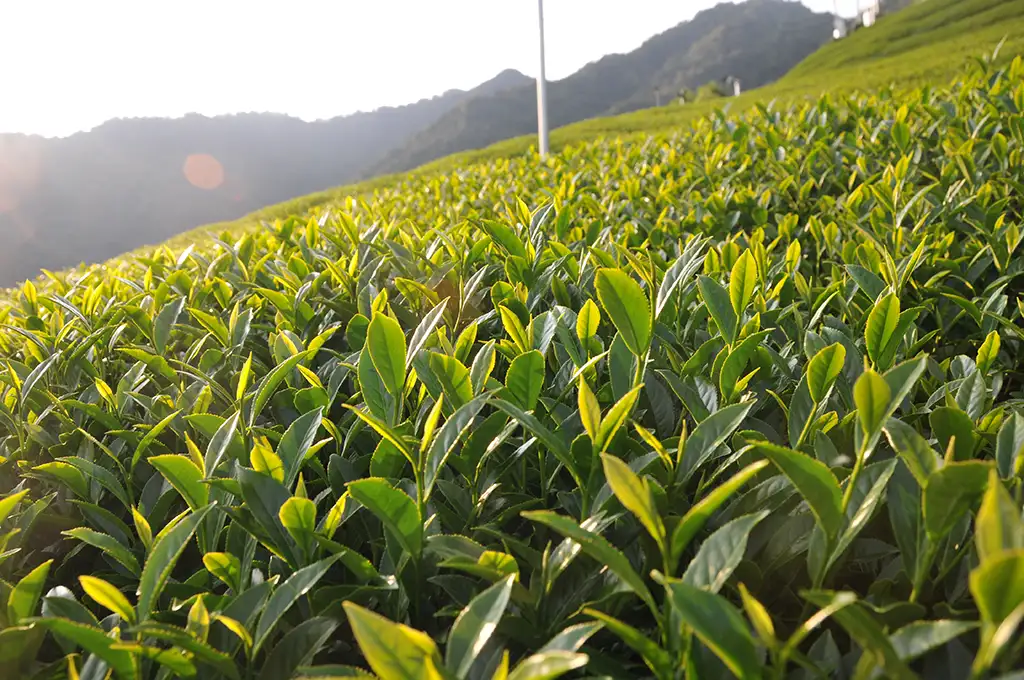
Qilai Mountain Tea Region: High Mountain Tea from 2,060 Meters at Qilai Mountain

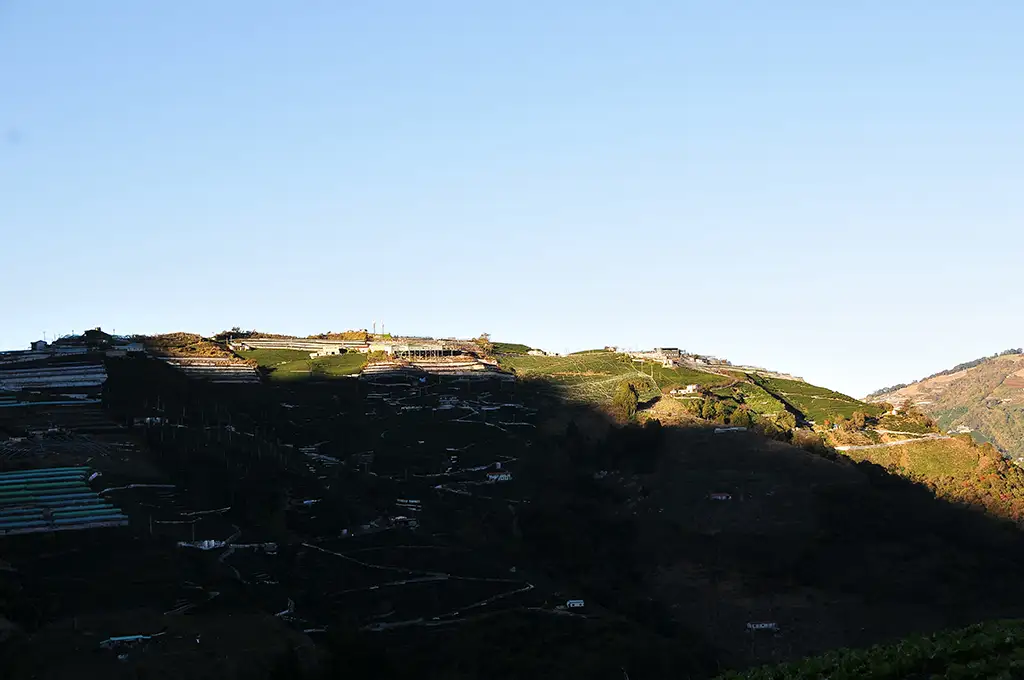
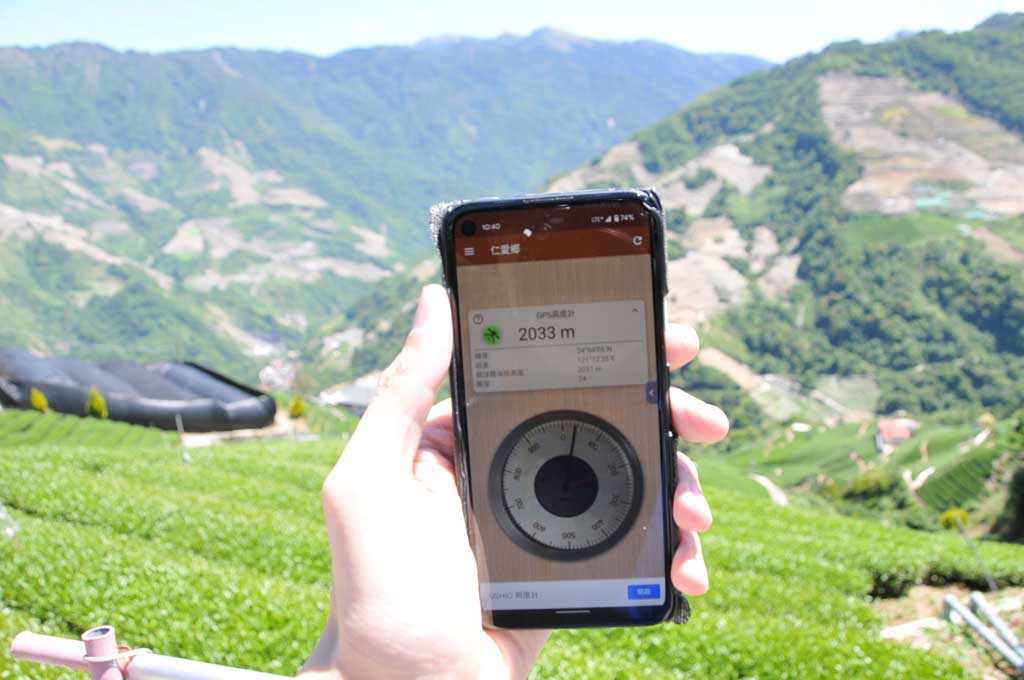
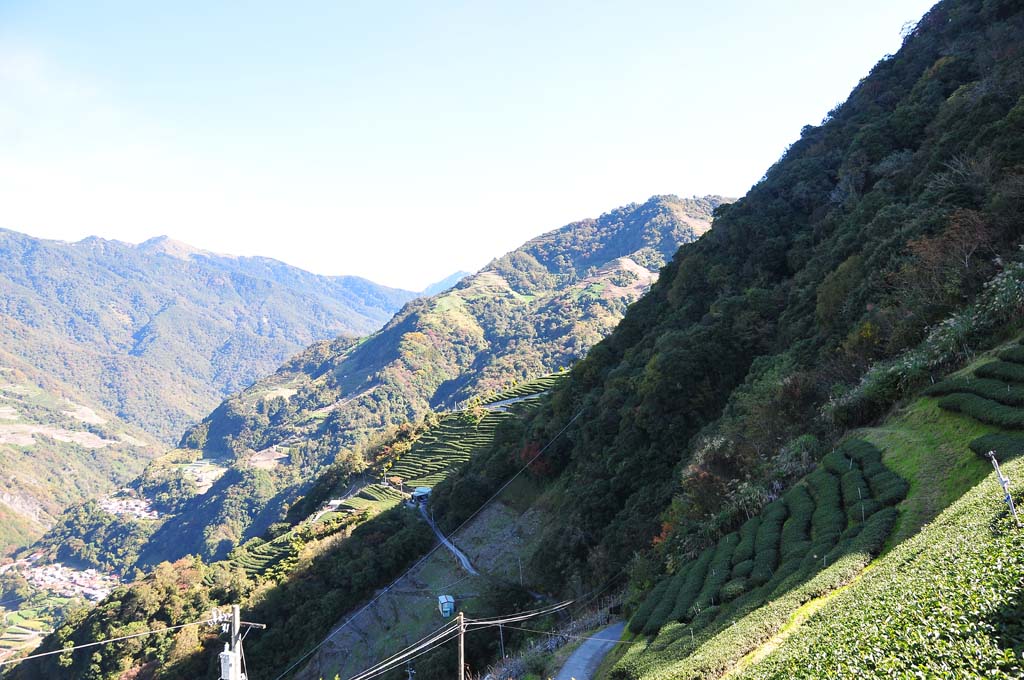
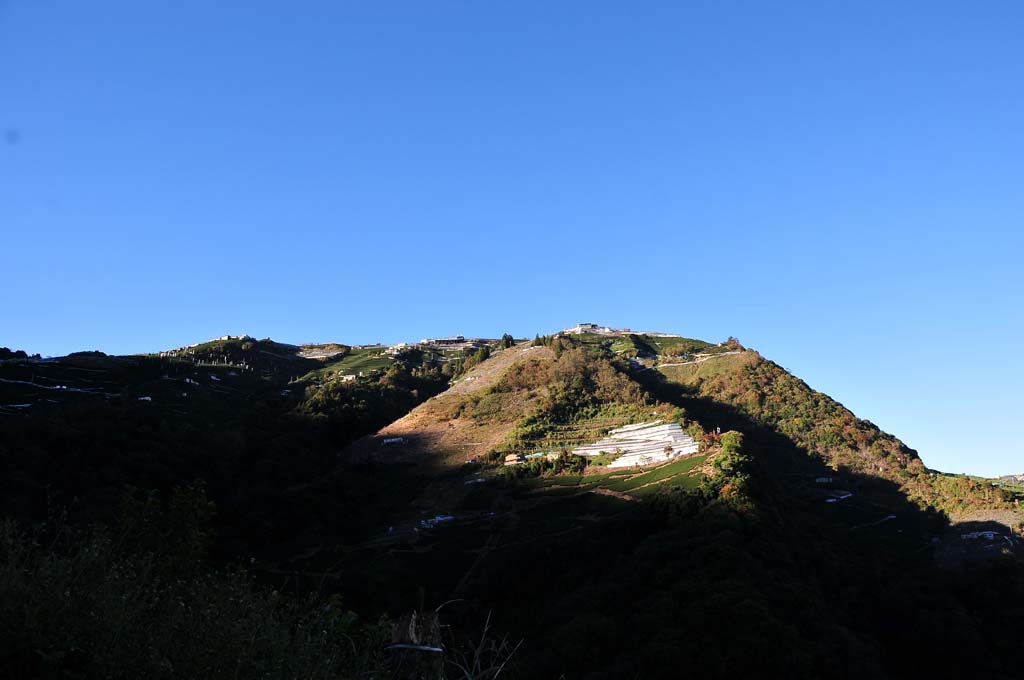
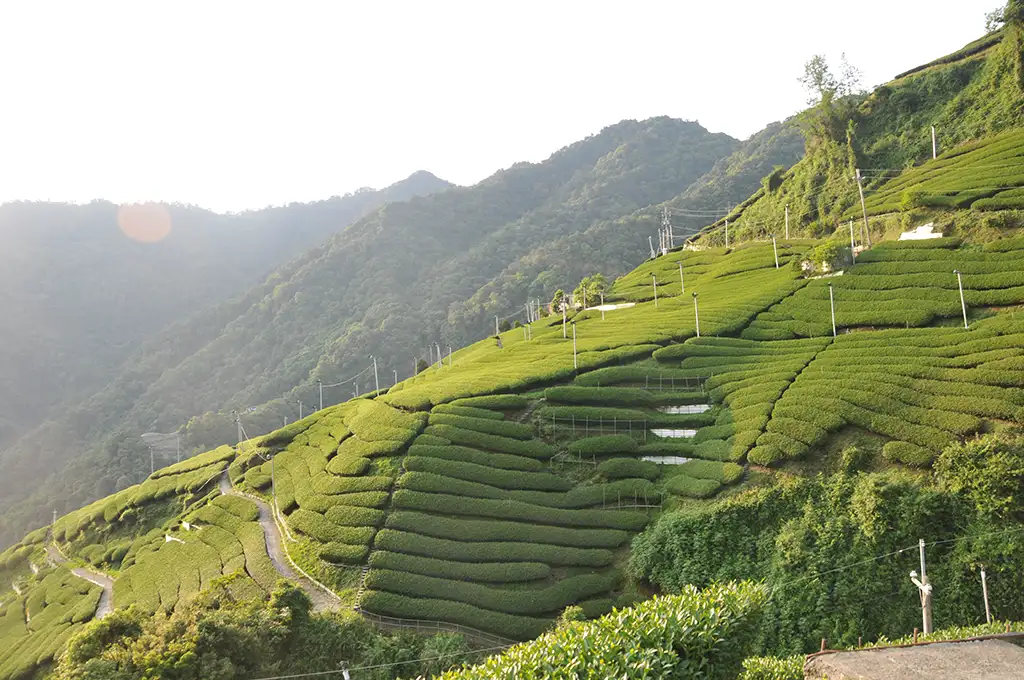
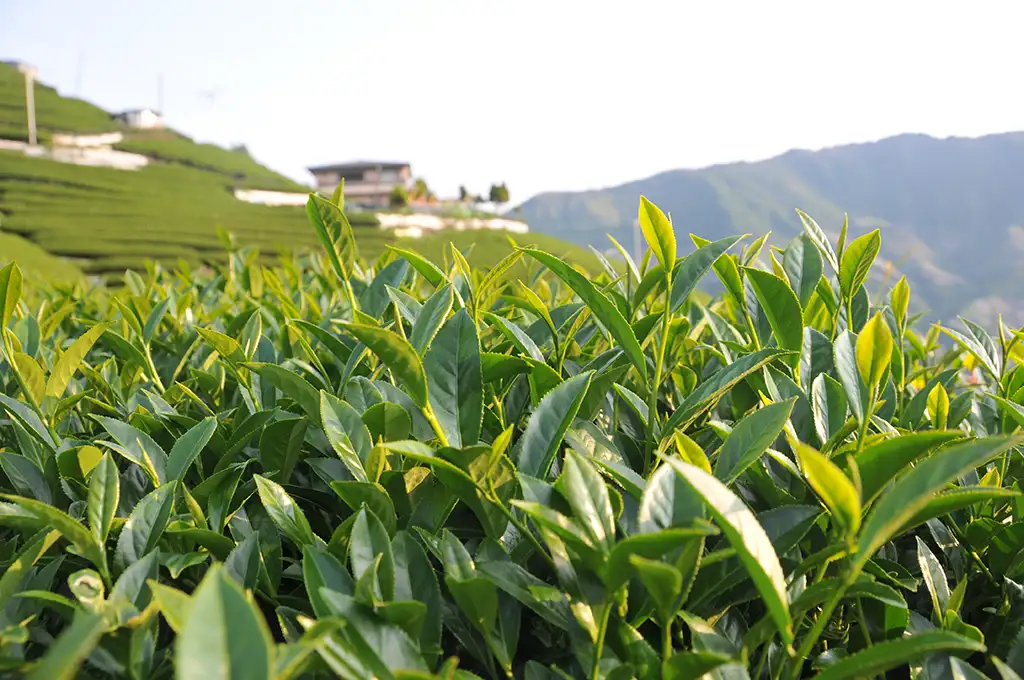
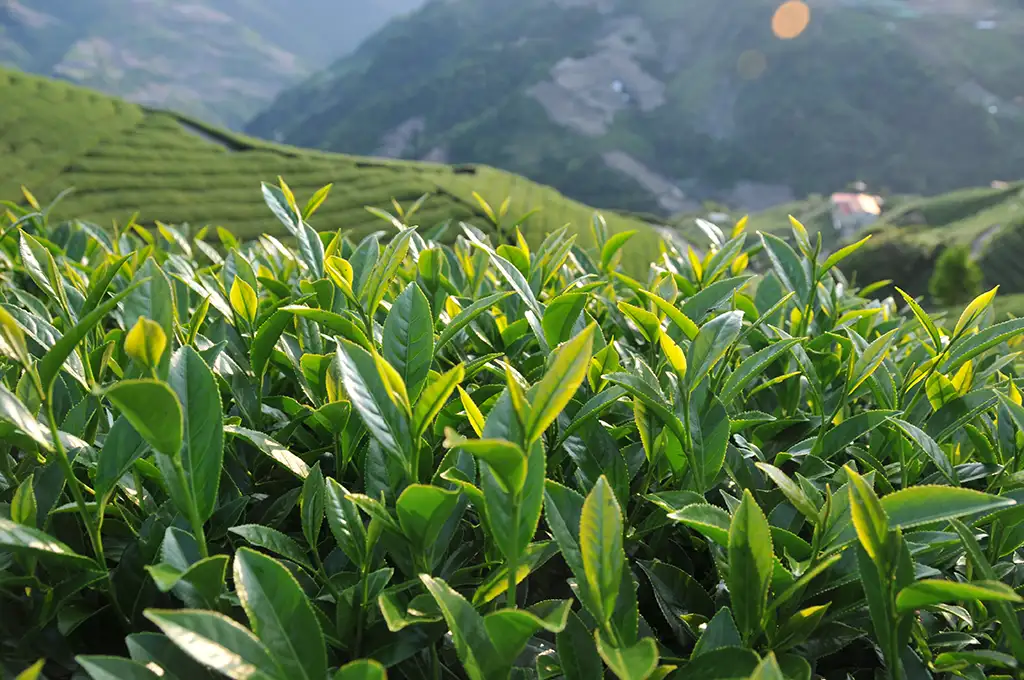
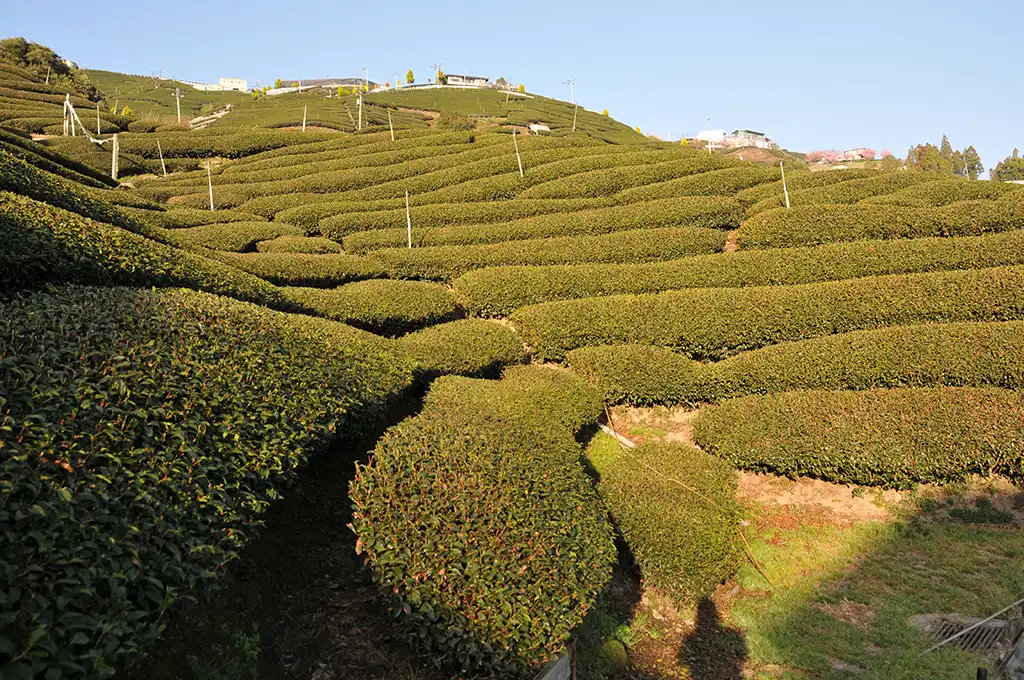
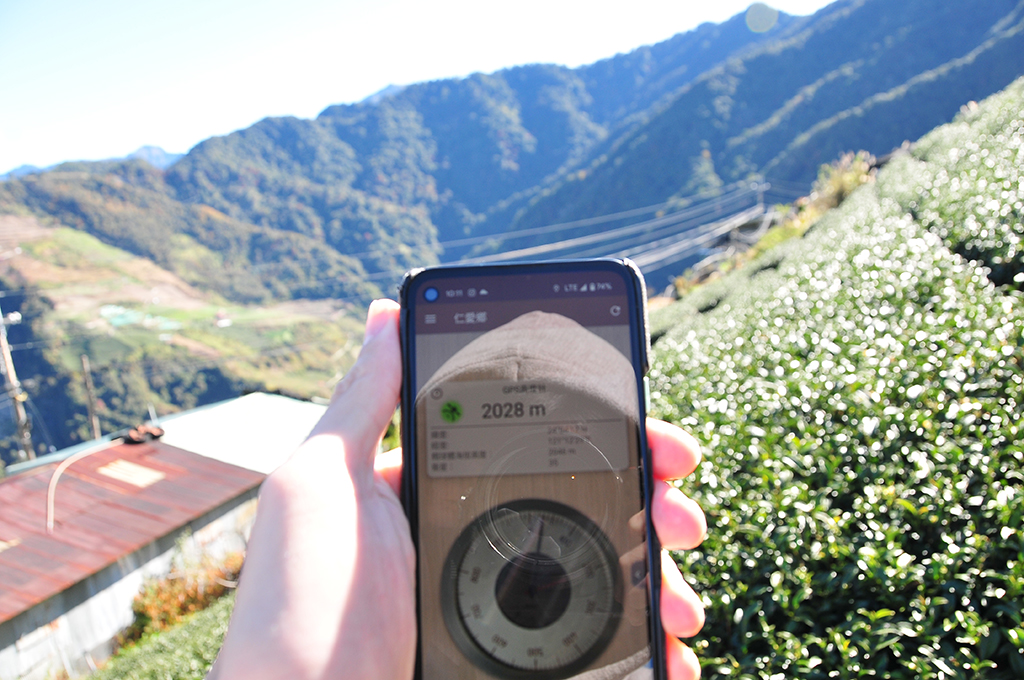
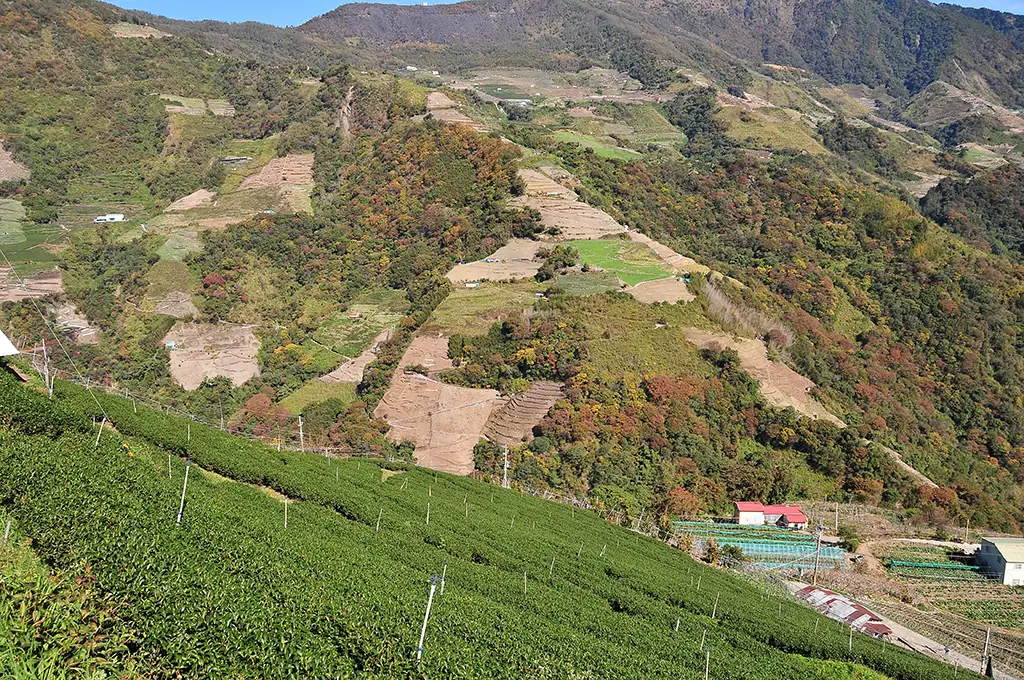
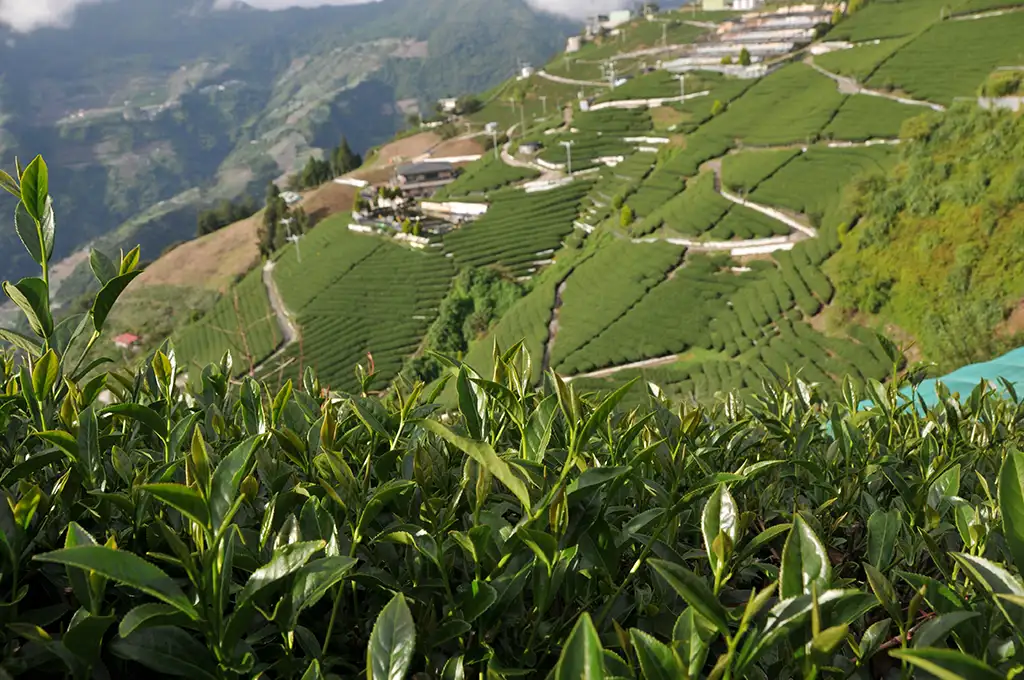
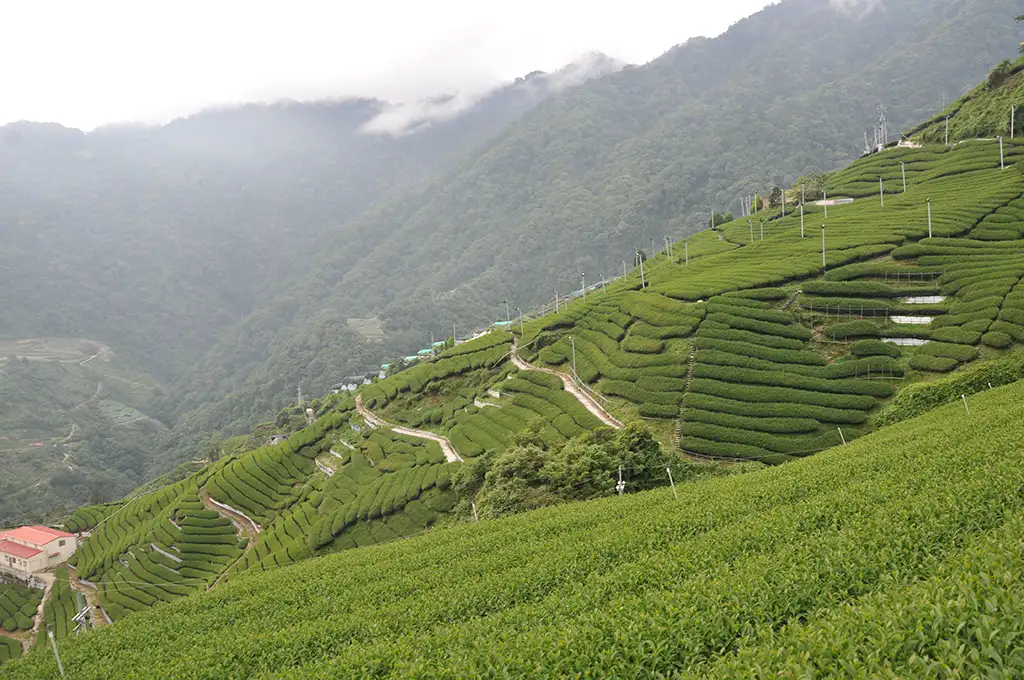
Ranging from Lushan Tribe to Jingguan Tribe, the Qilai Mountain Tea Area features tea gardens mainly distributed across three zones: one at the 96 km mark of Provincial Highway 14, one stretching from above Duda Village to the trailhead of Mt. Nenggao, and another above Jingguan Tribe. With elevations ranging from 1,400 to 2,060 meters, this tea region boasts an exceptionally high quality ceiling.

Qilai Mountain Tea Region

Table of Contents

Qilai Mountain Tea Area: An Unmatched Quality Ceiling

In our store manager’s view, the Qilai Mountain Tea Area has an “exceptionally high ceiling,” with top-tier tea gardens that can easily rival Meifeng, Cuifeng, and Cuiluan. A few years ago, when it wasn’t as well-known, you could call its tea price-to-quality ratio fantastic. However, as local tea-making craftsmanship has rapidly advanced in recent years, more and more people have discovered Qilai tea, and local wholesale prices are now closing in on the Cuifeng tea area.

Qilai Mountain Tea Region

Elevations from 1,400 to 2,060 Meters

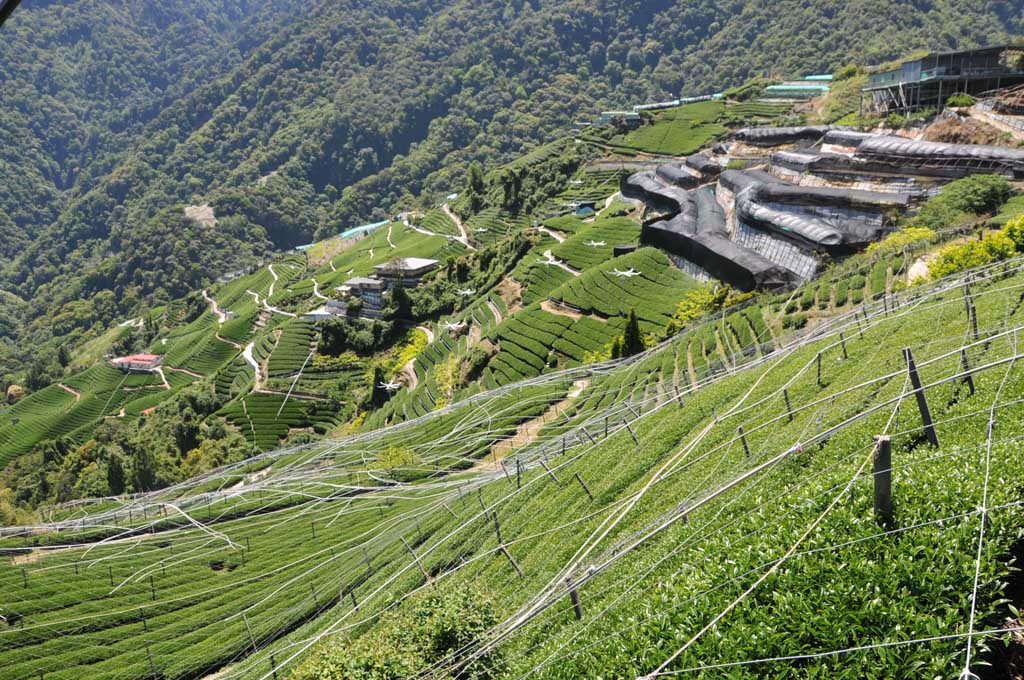
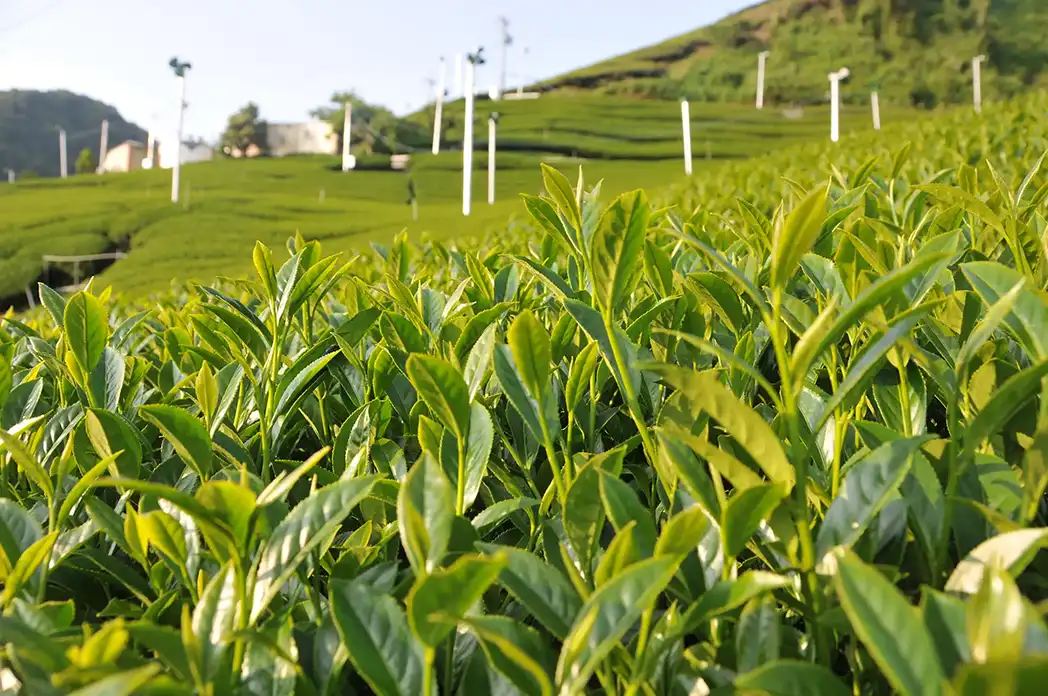
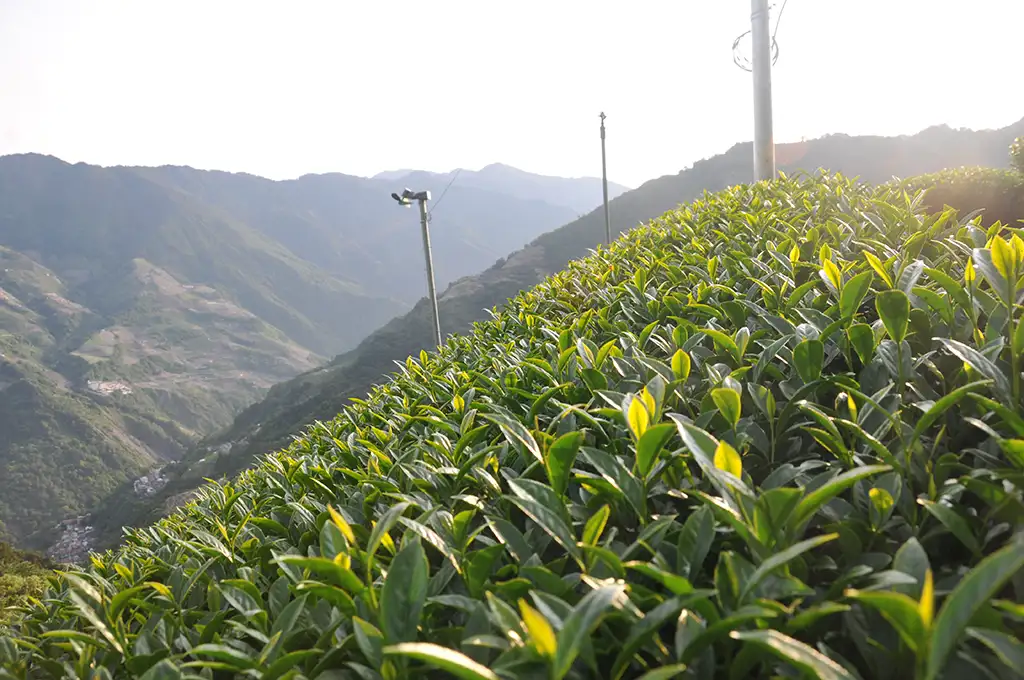
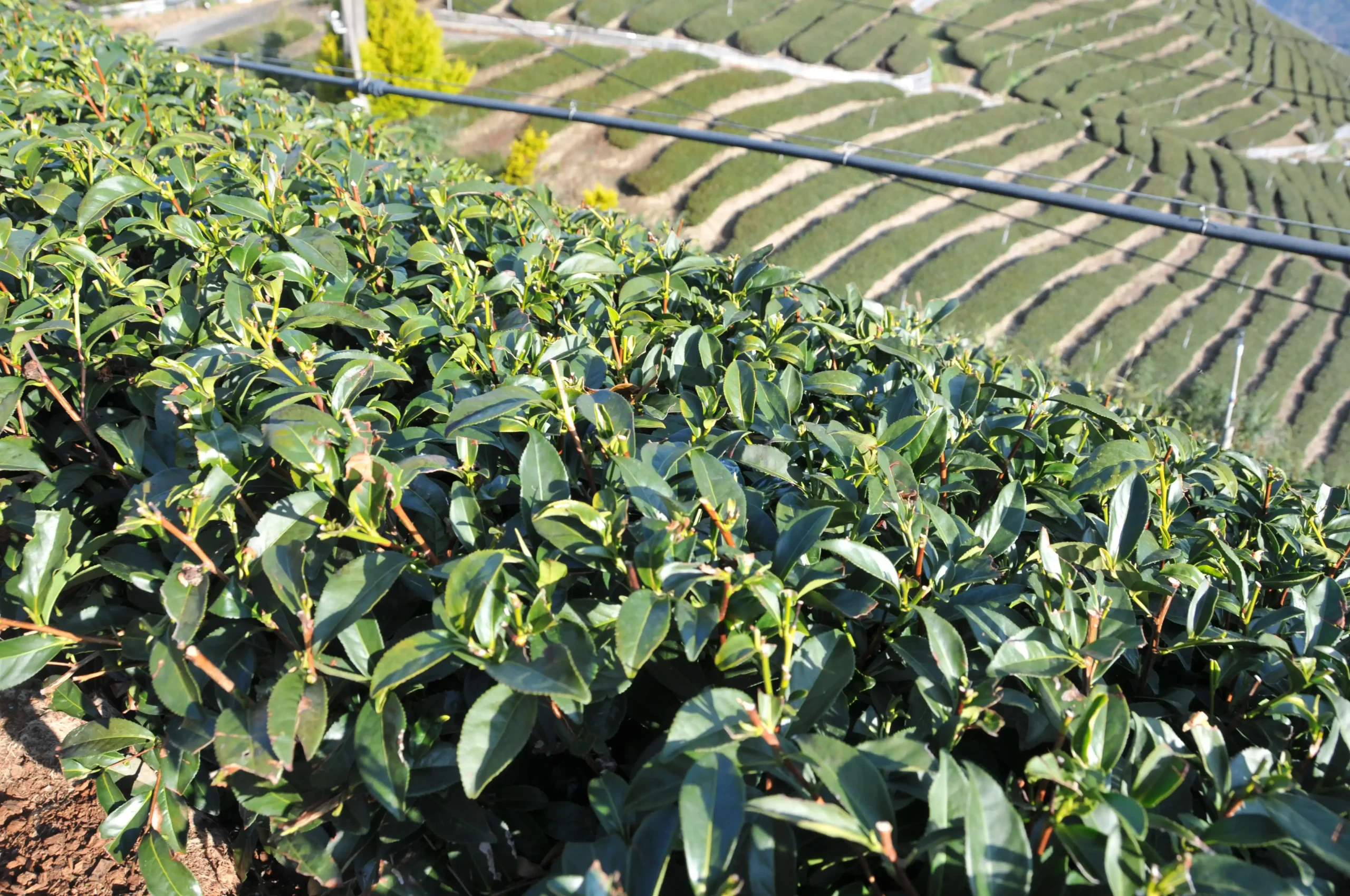
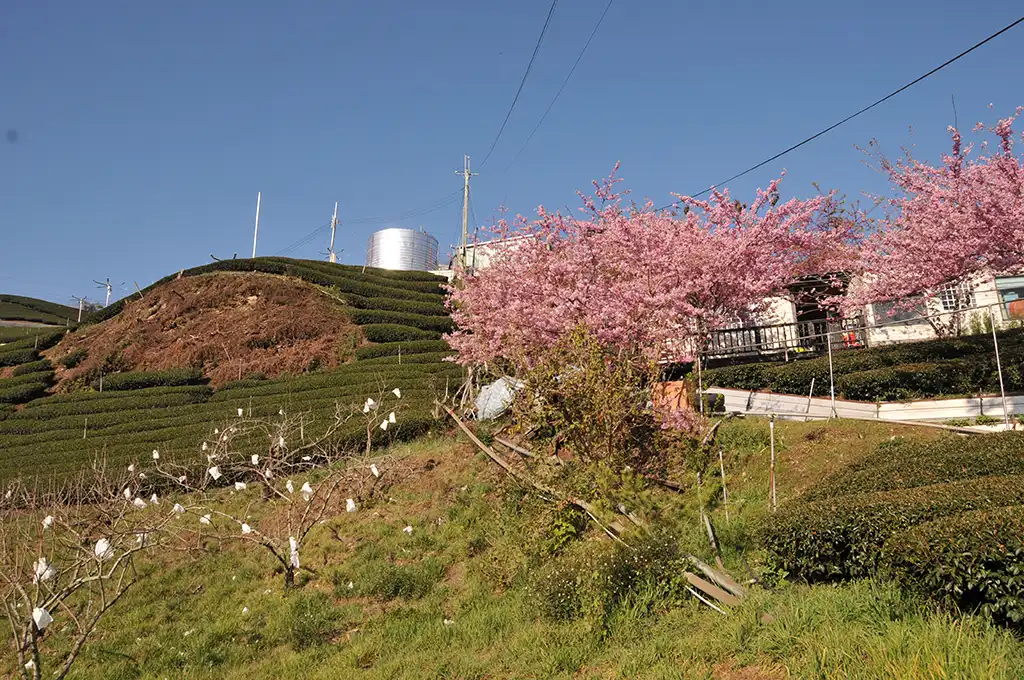
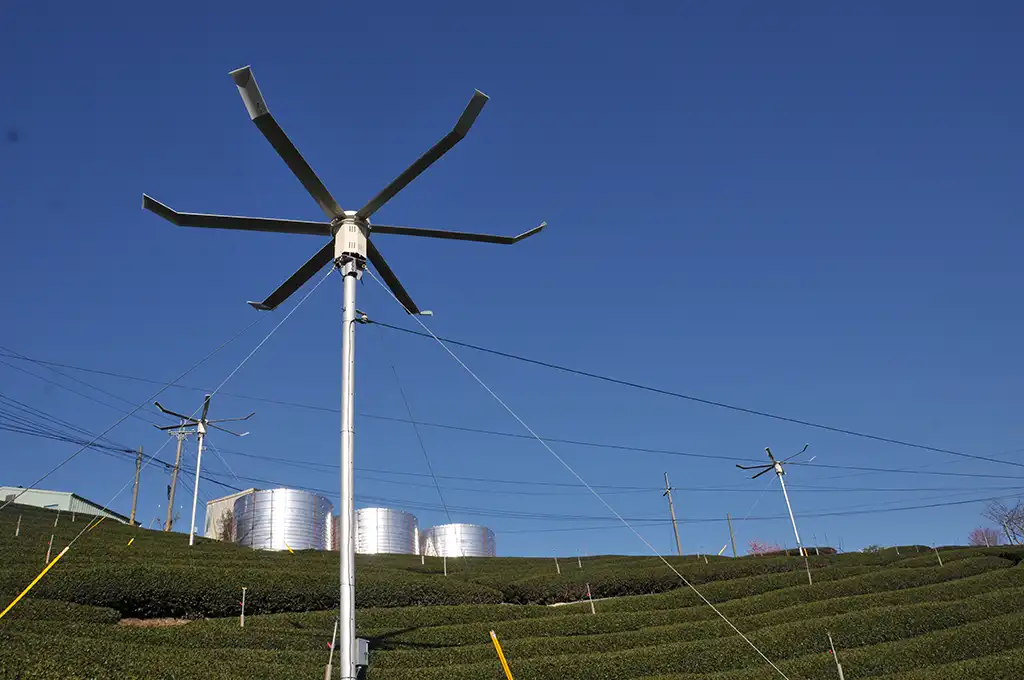
The tea gardens are cultivated along the Zhuoshui River basin at elevations ranging from 1,400 to 2,060 meters. High altitude is naturally a great asset for high mountain tea, but spring cold snaps are quite common; tea gardens above 1,700 meters frequently experience frost damage in March and April. A major cold wave hit in April 2020, causing the quality of that year’s spring tea to plummet. Since then, local tea gardens have started installing frost-prevention fans just like Fushuoshan Farm, making it the biggest hub for tea garden fans right after Lishan. Learn more about frost-prevention fans.

Shop High-Quality Tea: Qilai Mountain Tea

Qilai Mountain Tea Region

Tea quality is generally better in the section above Duda Village, which also accounts for the highest yield. The 96K mark on Provincial Highway 14 is an older tea area with more variable quality. As for the newer tea gardens established above Jingguan Tribe in recent years, they currently look promising, though whether they can catch up to the Duda Village section depends on future development.

High-Altitude Tea Gardens Are Prone to Frost Damage

Our tea manager feels the flavor profile is similar to the Cingjing and Meifeng tea areas (they sit right across the mountain from each other—▲ the image above shows Cingjing and Meifeng). Qilai Mountain is more prone to frost damage, which can cause a dramatic drop in quality whenever it occurs.

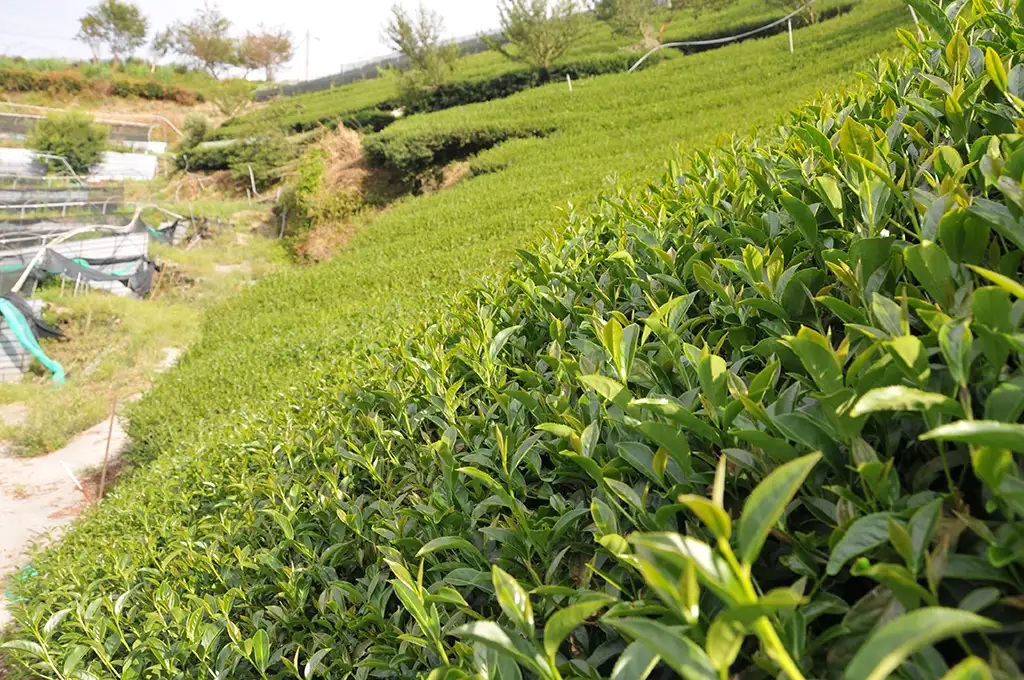
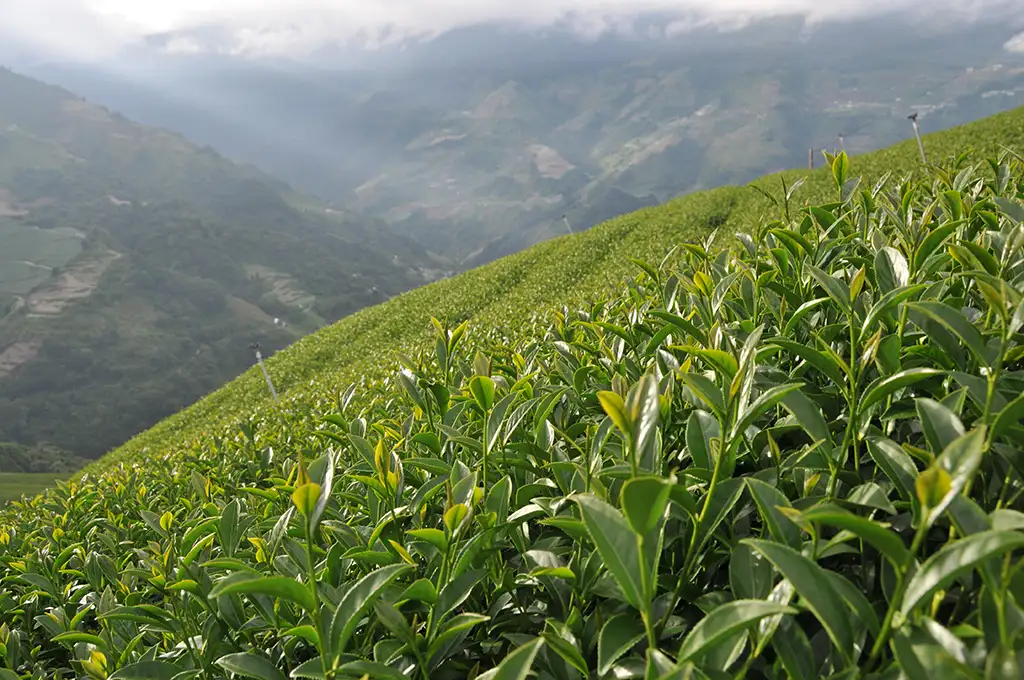
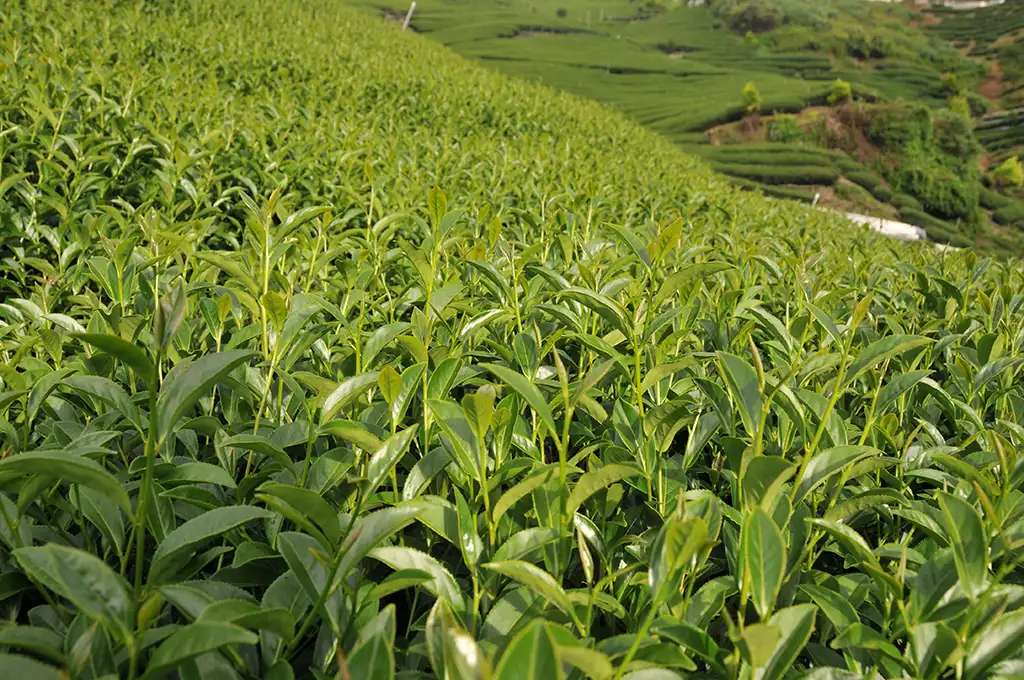
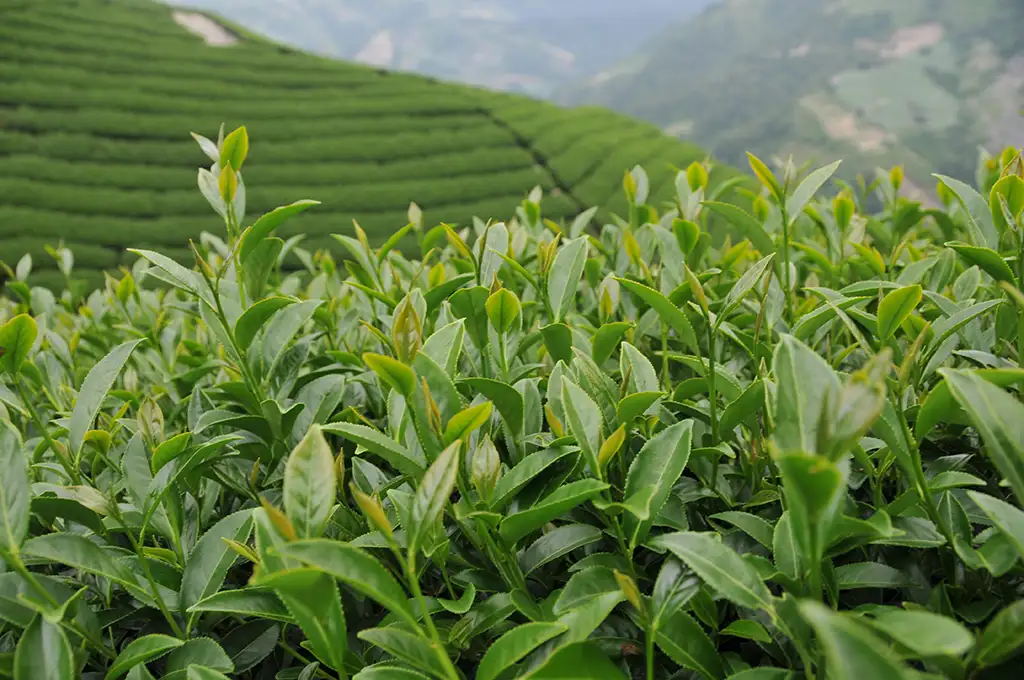
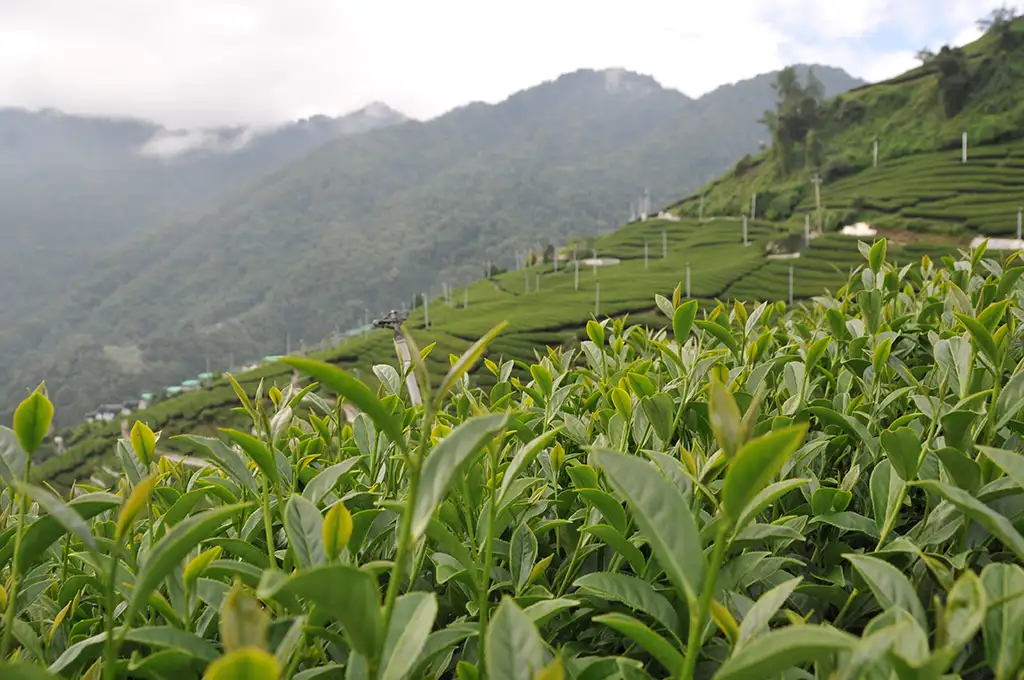
The tea tree cultivar is Oolong, primarily harvested in spring (April to May), autumn (August), and winter (October), with summer harvests (July) depending on conditions.

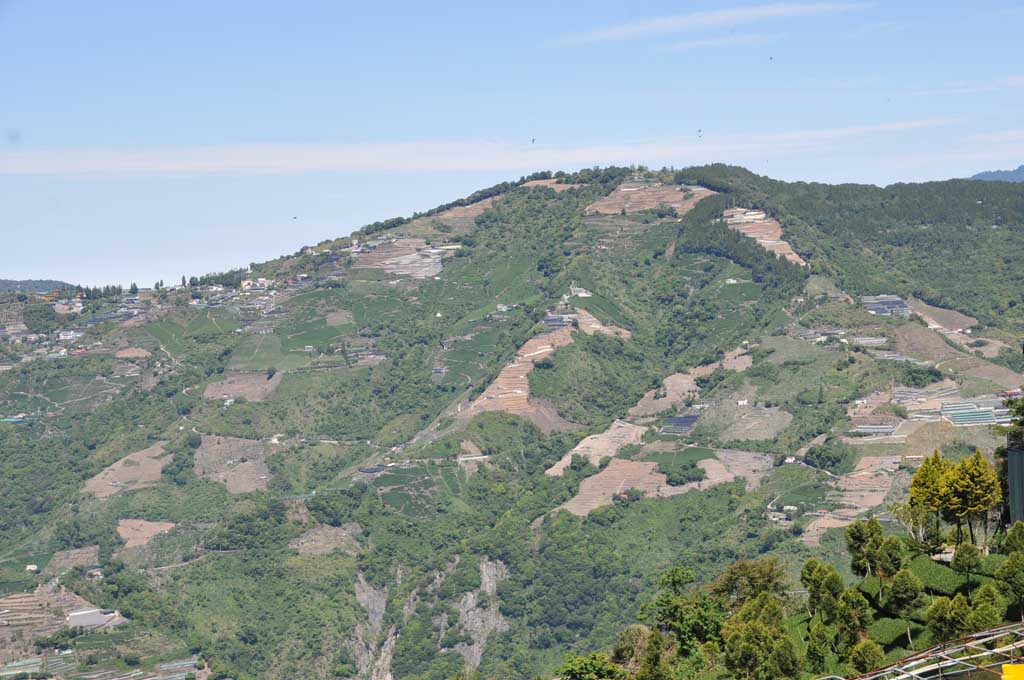
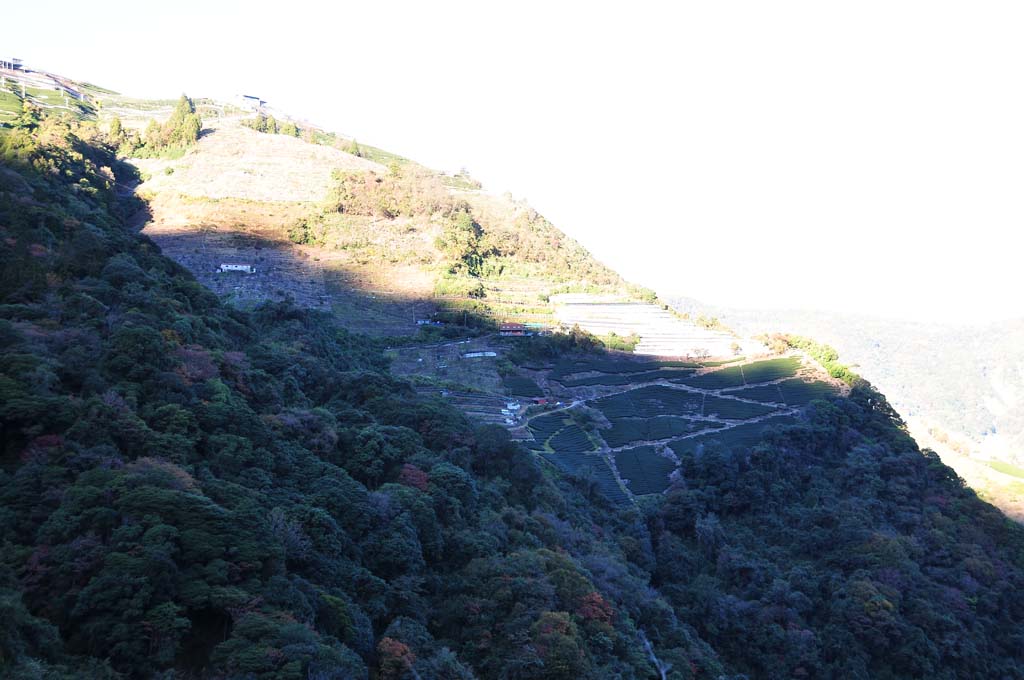
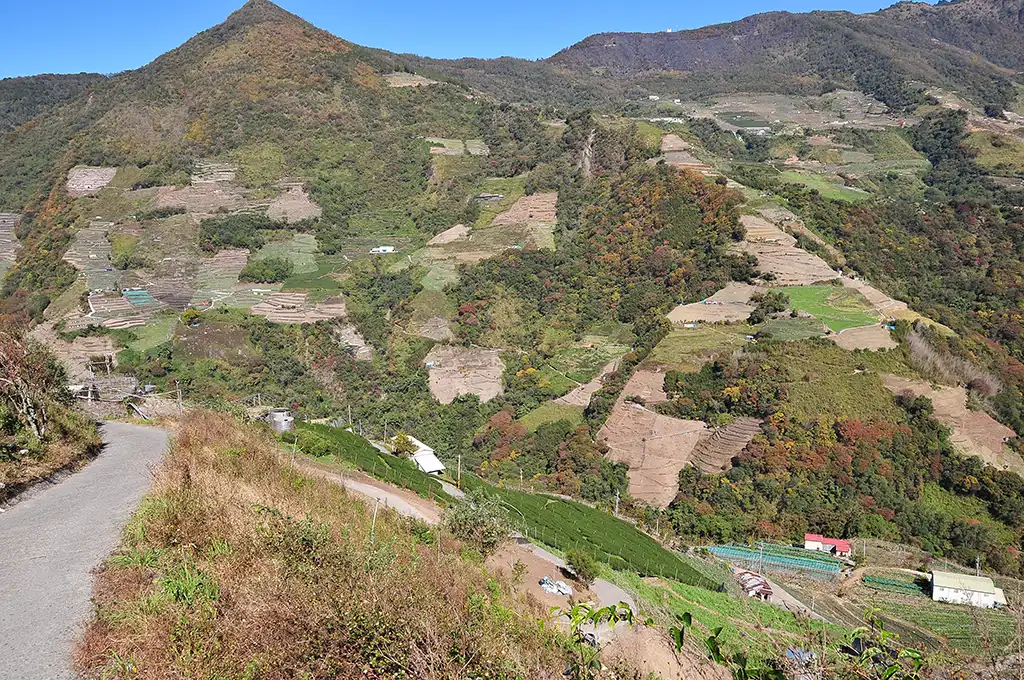
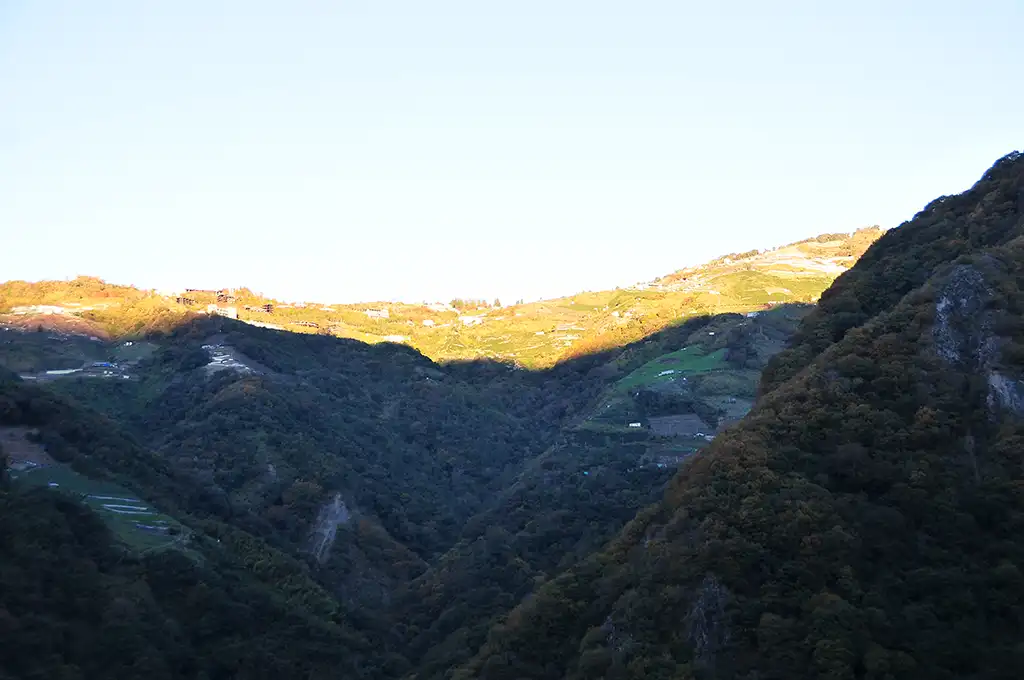
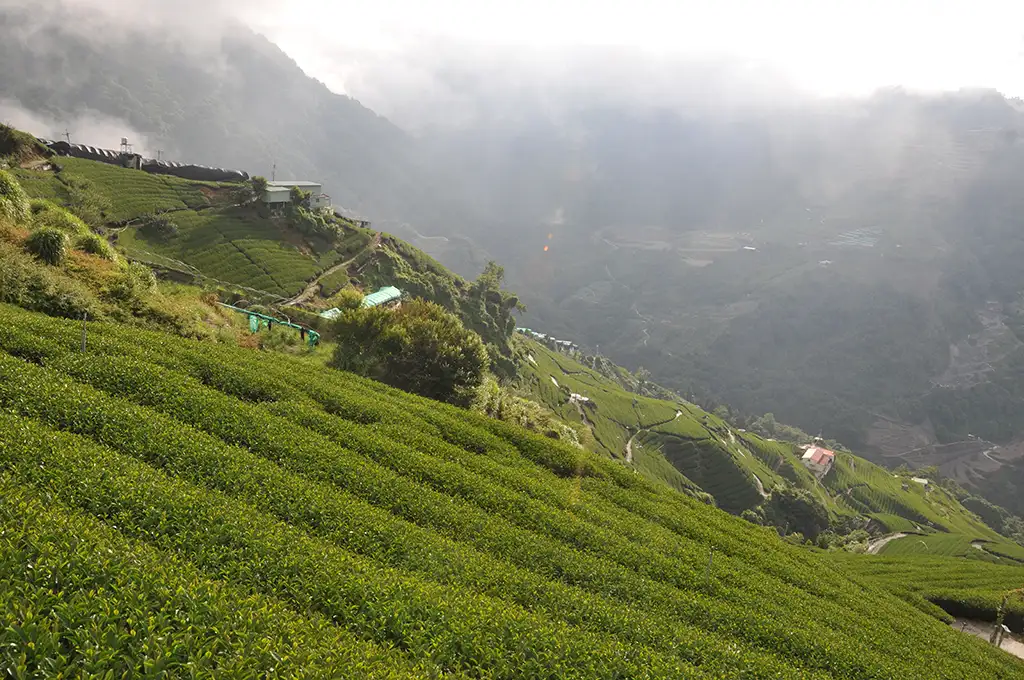
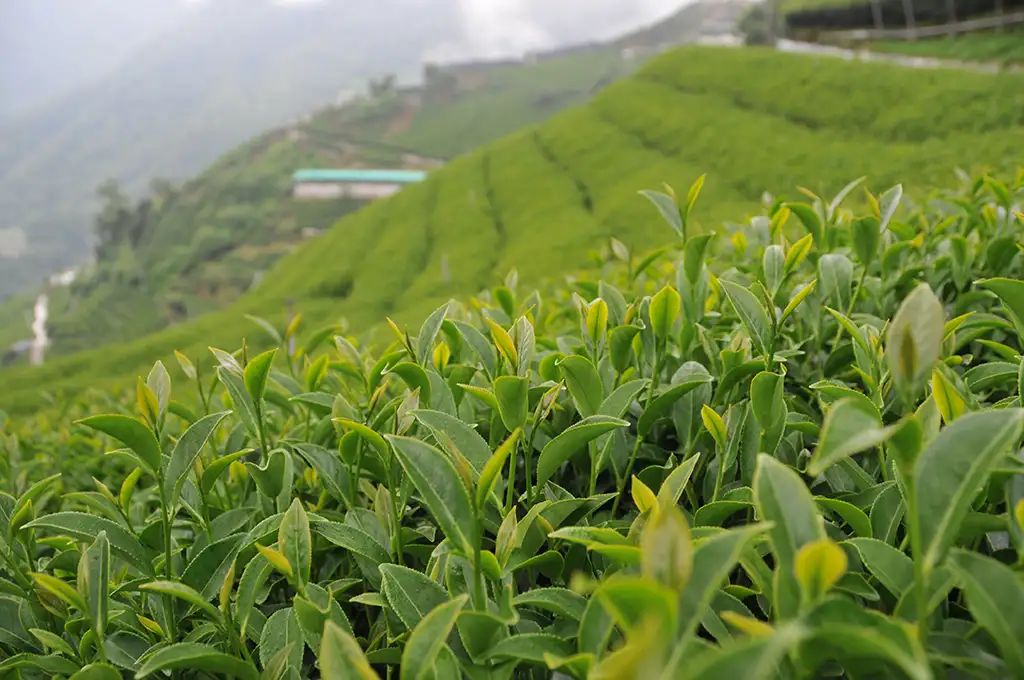
Below is the view looking from above Jingguan Tribe toward Lujing Road.

Qilai Mountain Tea Region

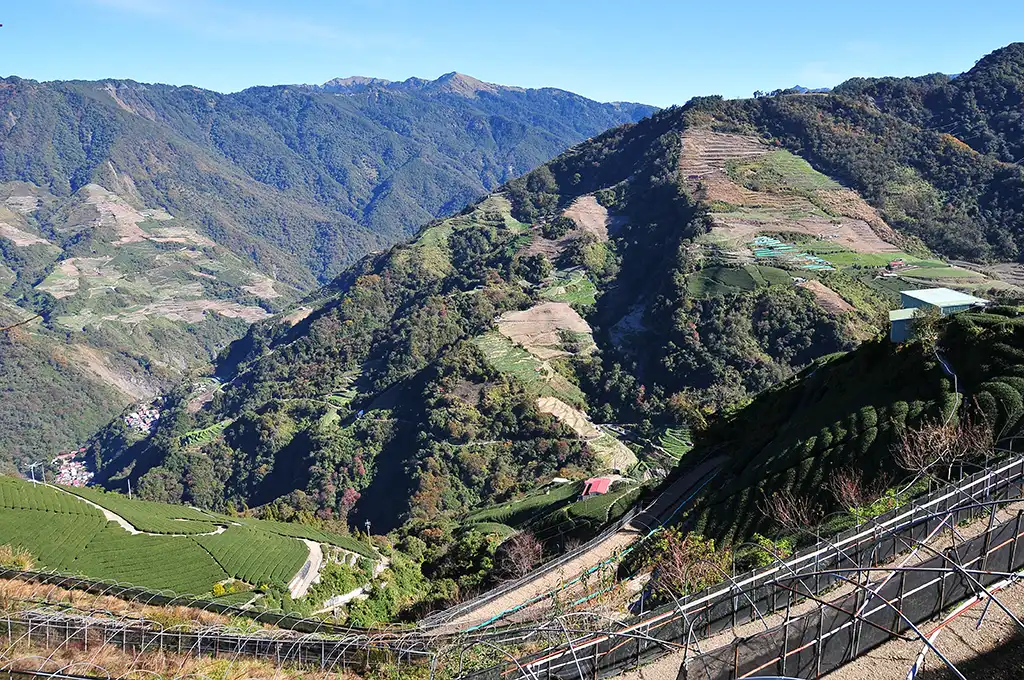
The Qilai tea region isn’t just about exceptional tea; the scenery is top-notch, too. Autumn and winter landscapes are truly breathtaking!

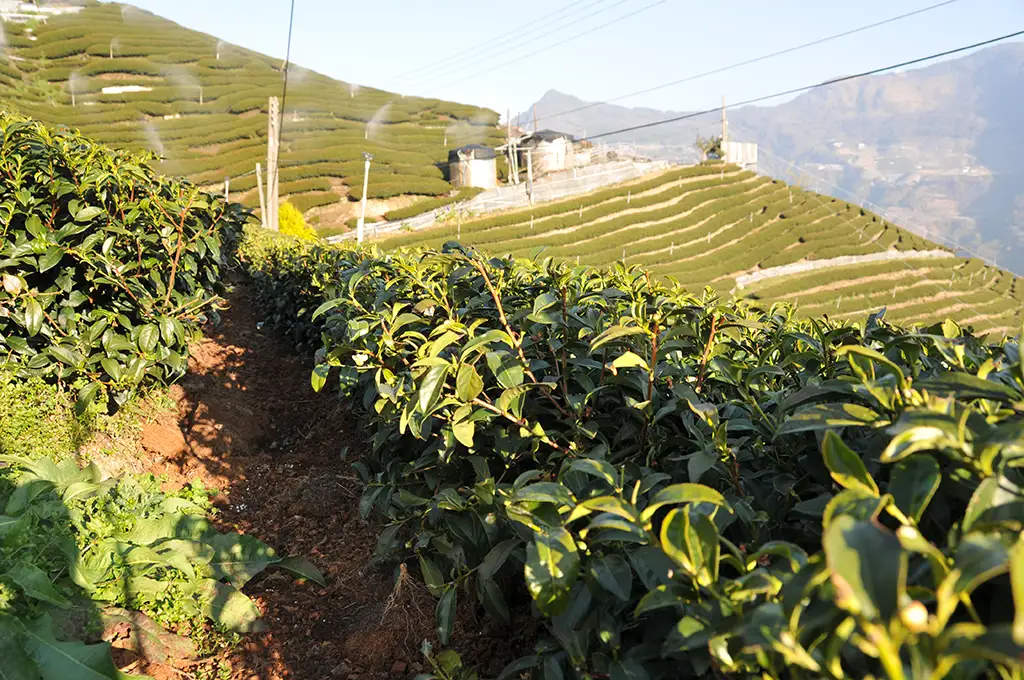
Qilai Mountain tea garden photo

Qilai Mountain Tea Region FAQ

How to get to the Qilai tea region?

Here is the Google Maps pin for the area around kilometer 96 on Provincial Highway 14. Here is the Google Maps pin for Luzhuang Road. Finally, here is the map pin for the Jingguan settlement. Friendly reminder: the road is very rough.
Is there a difference between Qilai Mountain high-mountain tea and high-cold tea?

Generally, both refer to lightly fermented oolong tea. It’s just a difference in naming. Does “high-cold tea” sound a bit more upscale?

Shopping Cart