
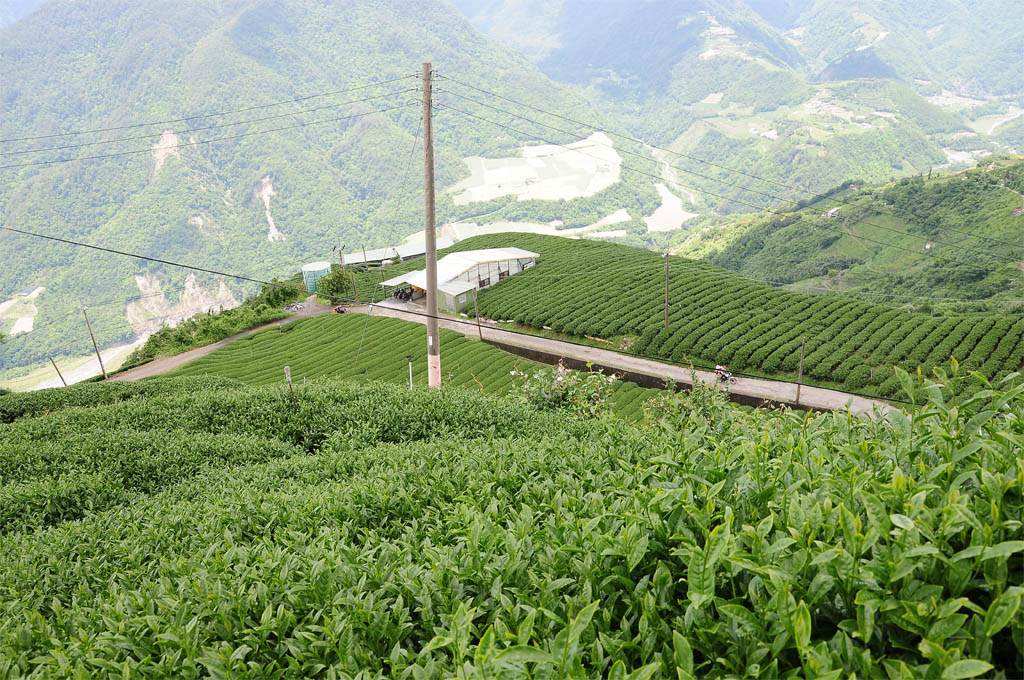
The Cifeng tea region is located in Fuxiang Village, Ren’ai Township, Nantou County. Tea planting began on a large scale around 2000, making it a relatively new tea region. With fertile soil and a favorable environment, combined with generally good tea garden management, the quality speaks for itself—the lingering sweetness, tea resonance, and mountain qi are among the absolute best in high mountain teas.
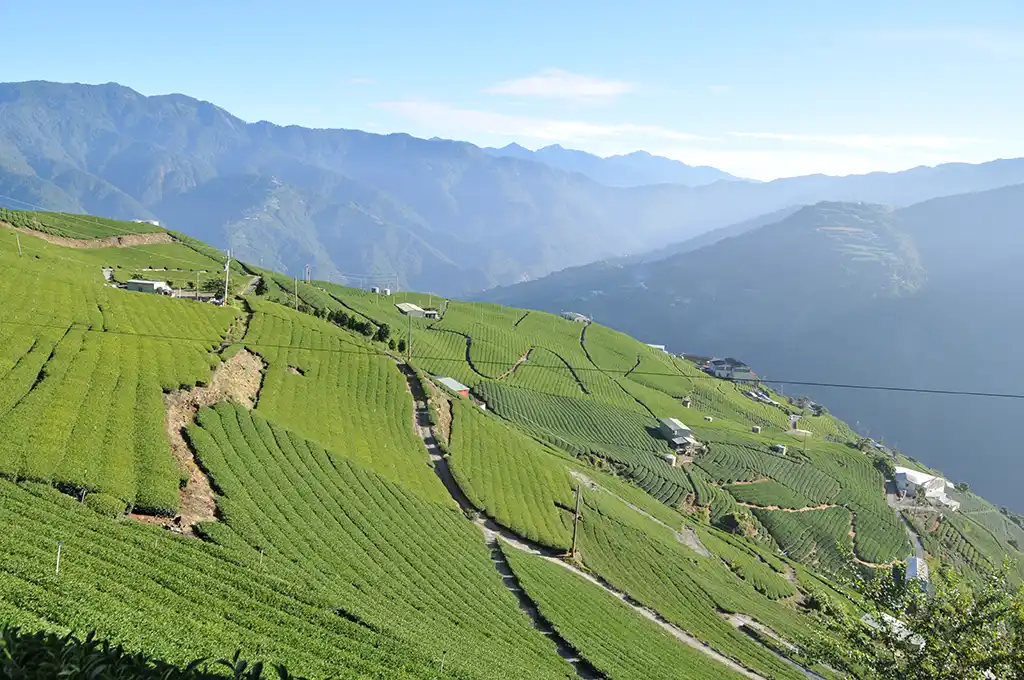
Table of Contents
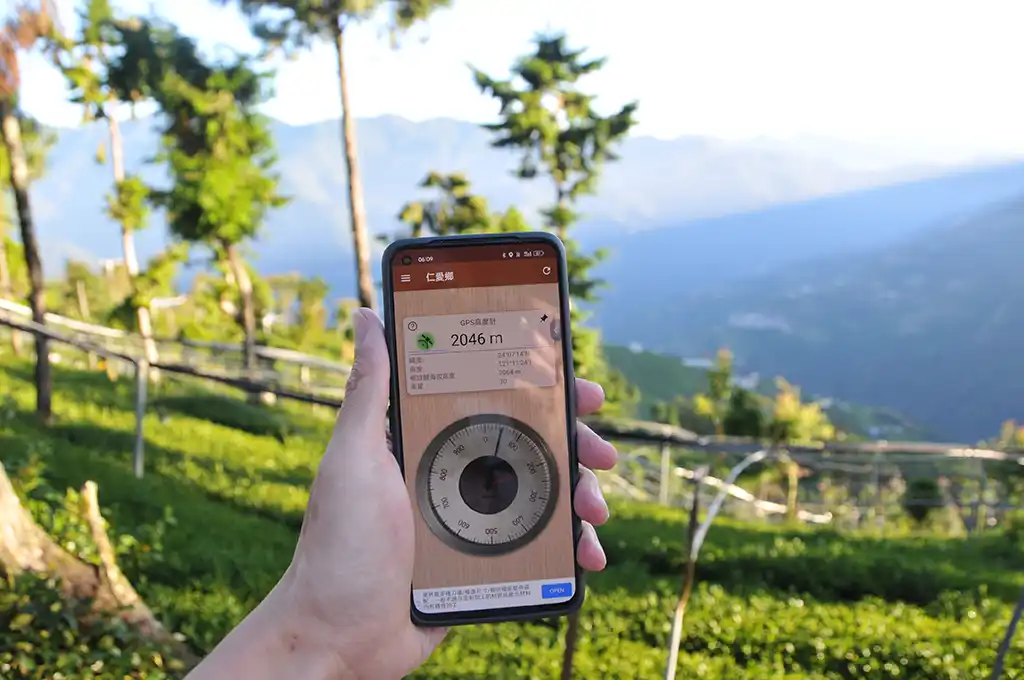
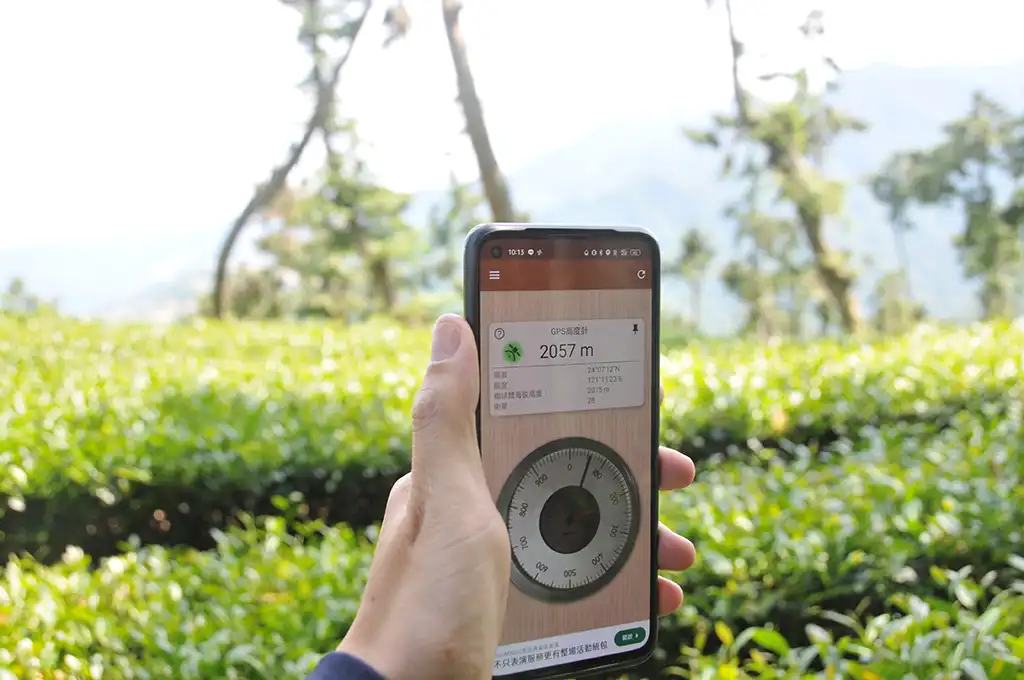
The Cifeng tea region reaches an altitude of 2,057 meters
The lowest point near Lixing Industrial Road is about 1,400 meters, and the highest point is 2,057 meters. The photo below shows the altitude measured using a mobile app, which is even higher than the suspension bridge tea area. It truly has few rivals among high mountain tea regions.
High-altitude Cifeng faces two main issues: First, frost damage frequently occurs in spring above 1,700 meters, which easily affects tea quality. Second, some tea gardens (located on forest lands) have trees planted among the tea bushes. The store manager considers this one of the adverse factors for tea quality.
Characteristics of the Cifeng Tea Region
- Numerous High-Quality Tea Factories: Among the twenty to thirty tea factories in Cifeng, two are considered by the store manager to be “Class A tea factories,” and there are also a few “Class B+ tea factories.” The overall standard of tea factories in this region is high, and tea garden management is exceptional.
- Production Volume Advantage: The Cifeng tea region yields a large volume, giving tea merchants a great advantage in sourcing good tea. By visiting the dozen or so tea factories in the region one by one and making careful comparisons, you can find super-grade teas.
- Simple Agricultural Environment: Compared to the Lishan area, the crops grown in Cifeng are relatively simple—mostly tea with very few vegetables. Therefore, there are fewer issues with pesticide drift from neighboring plots (a problem that is quite common in other tea regions).
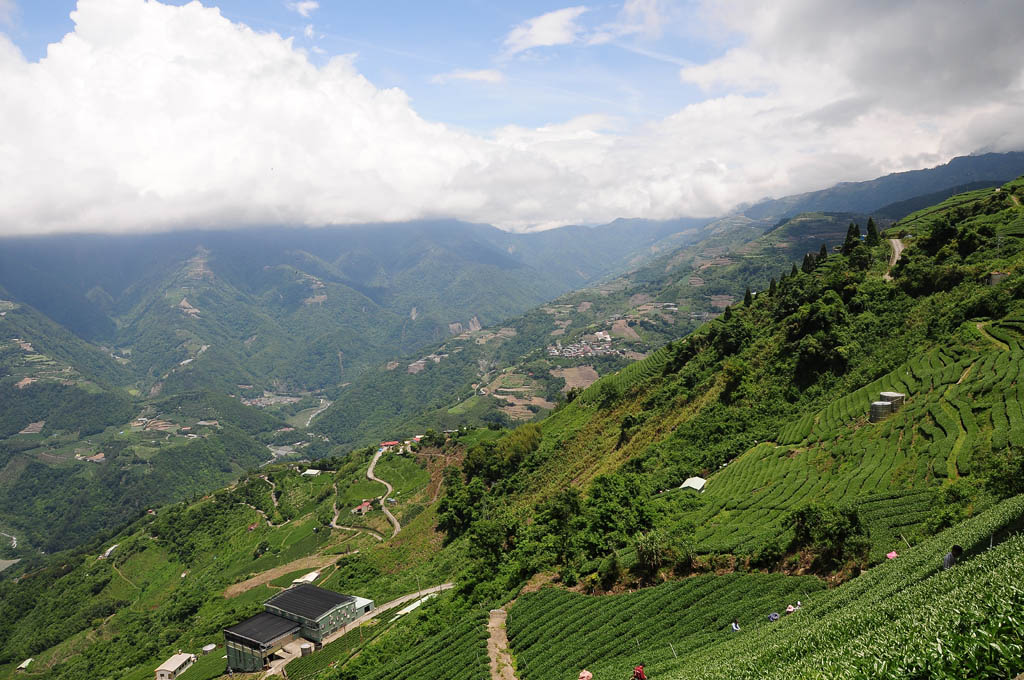
Photos of Cifeng Tea Gardens
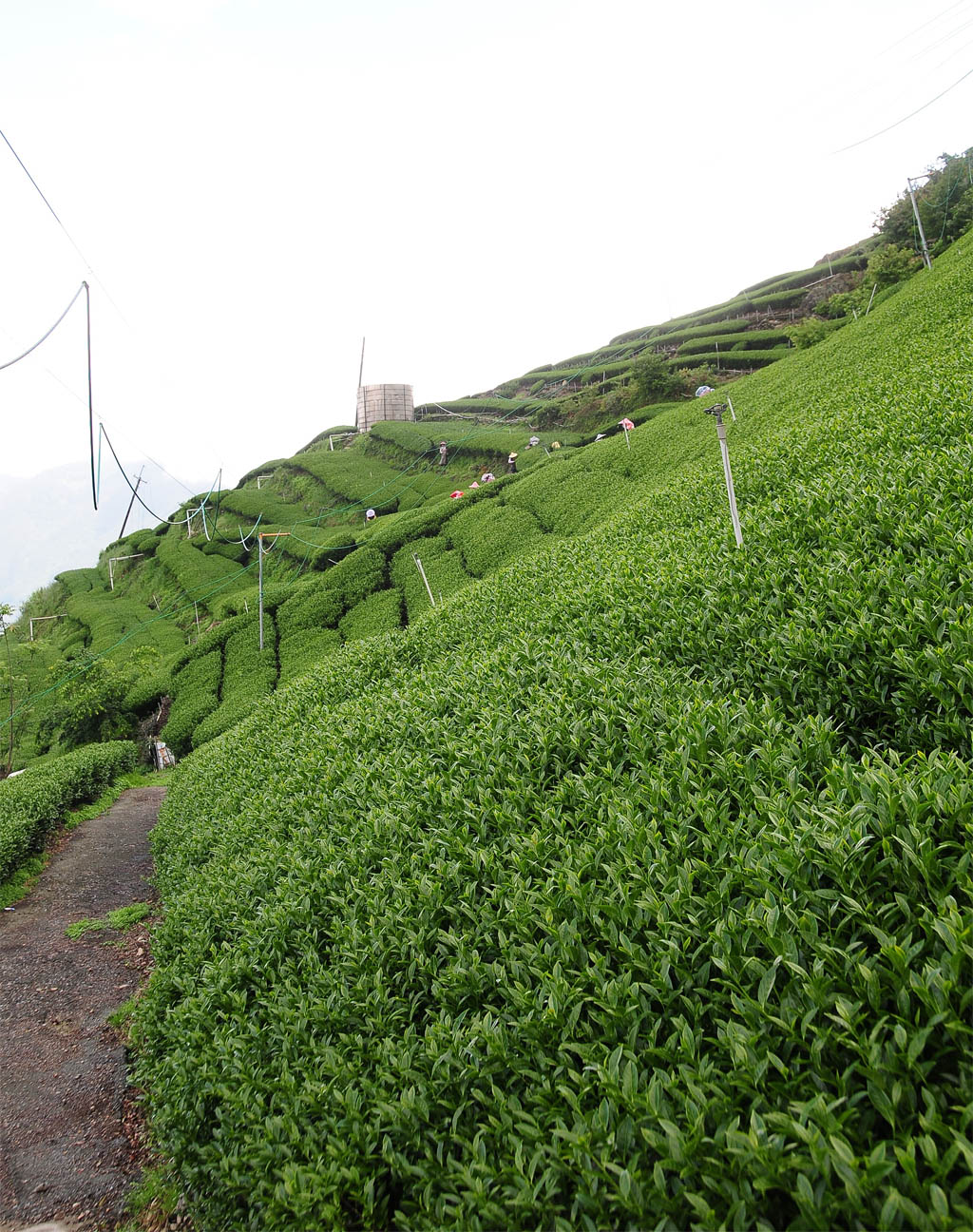
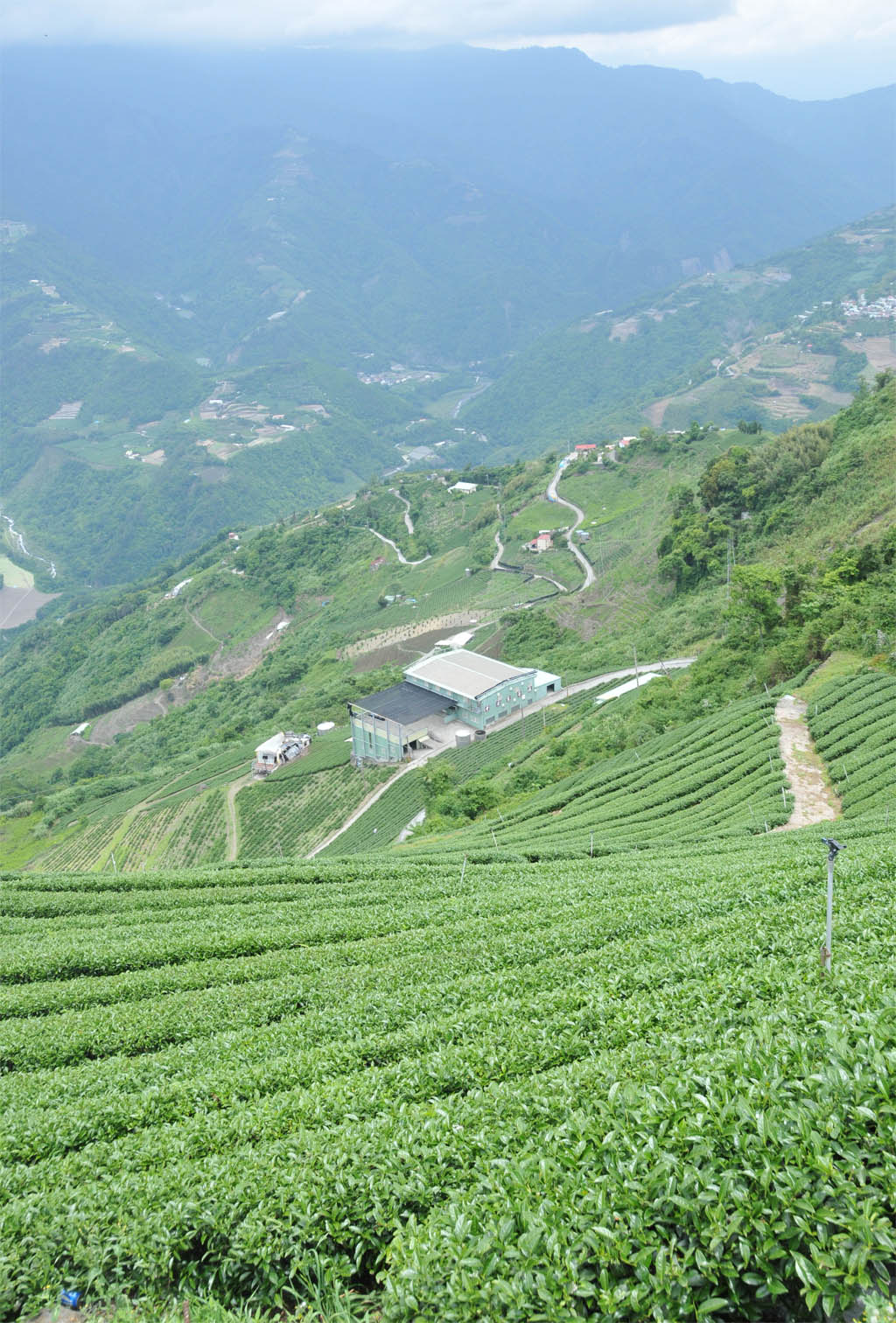
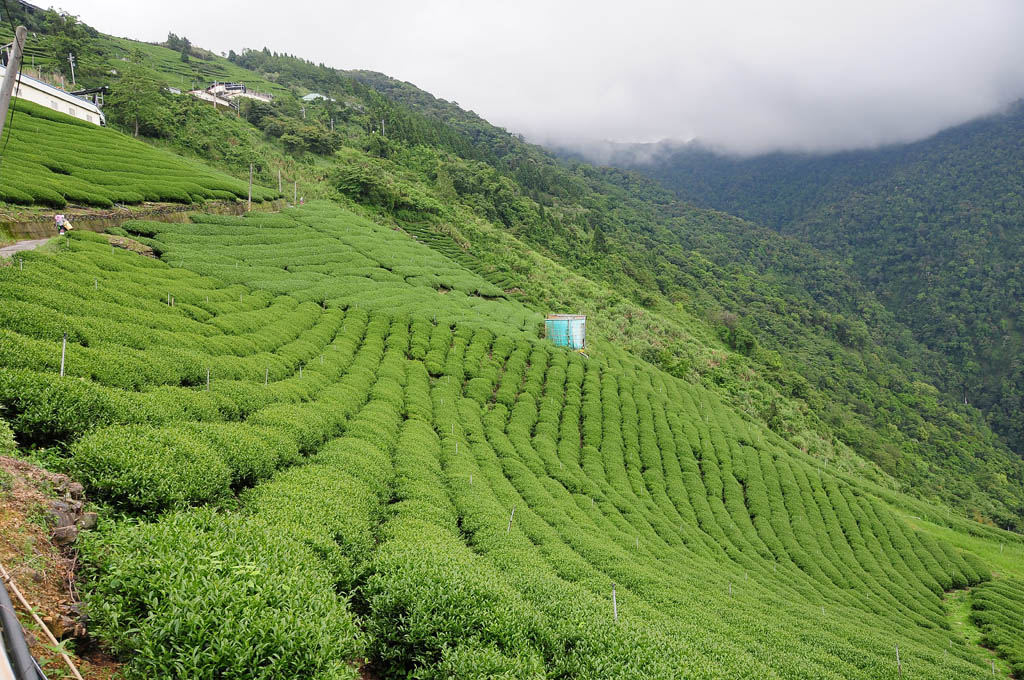
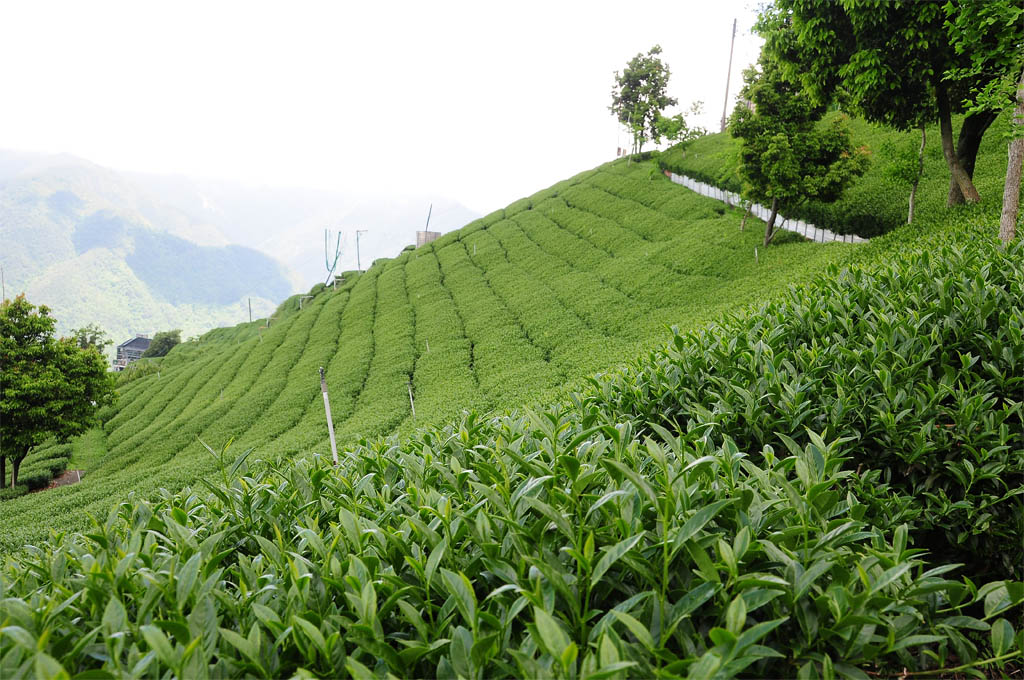
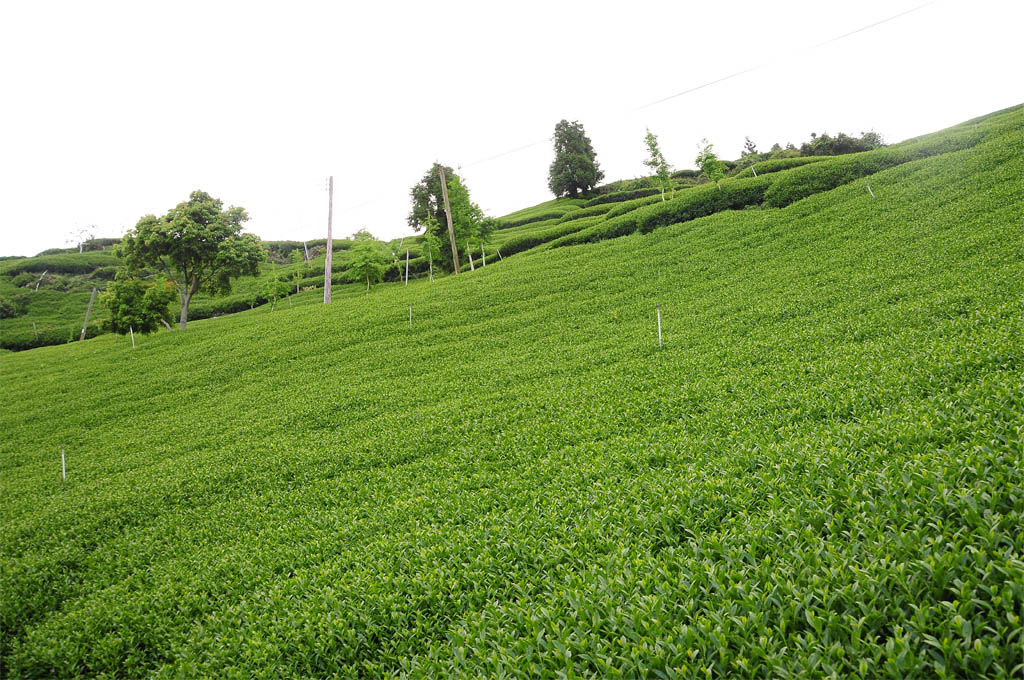
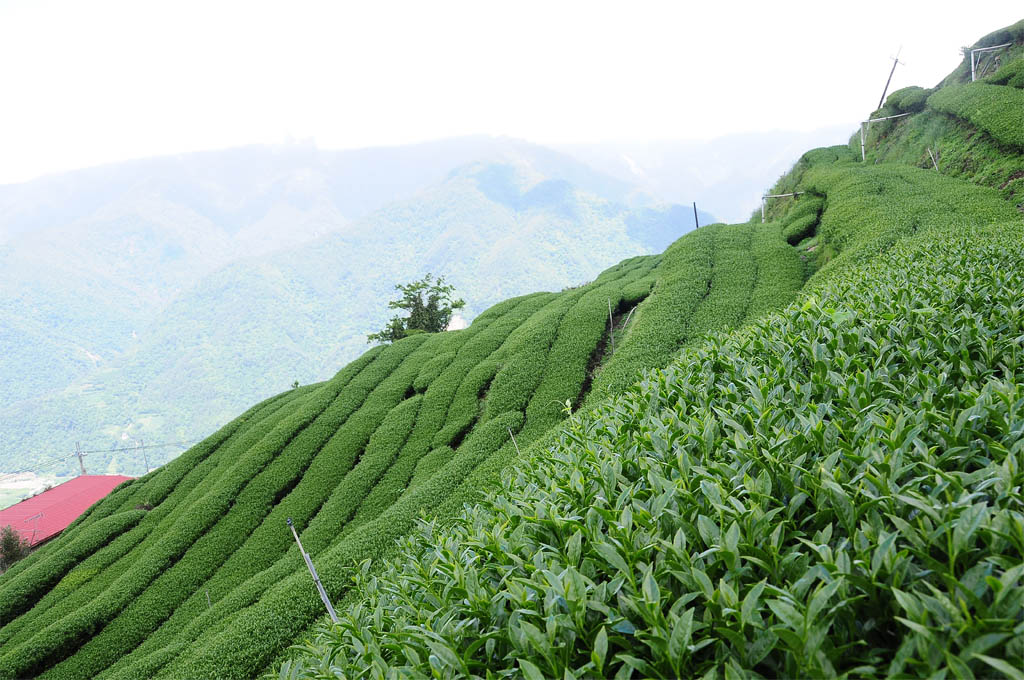
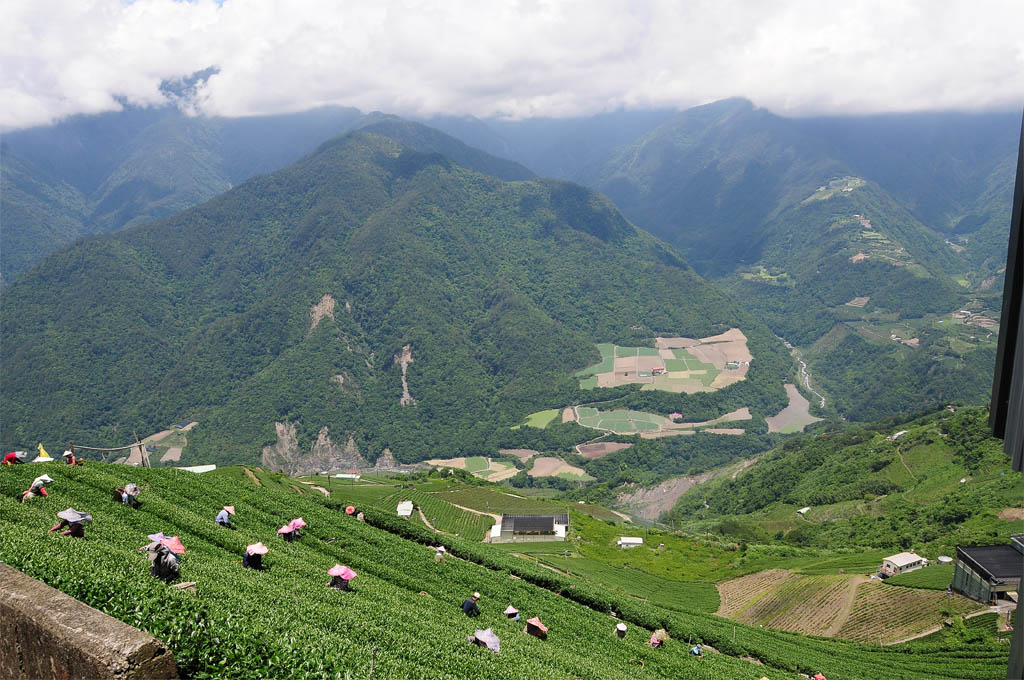
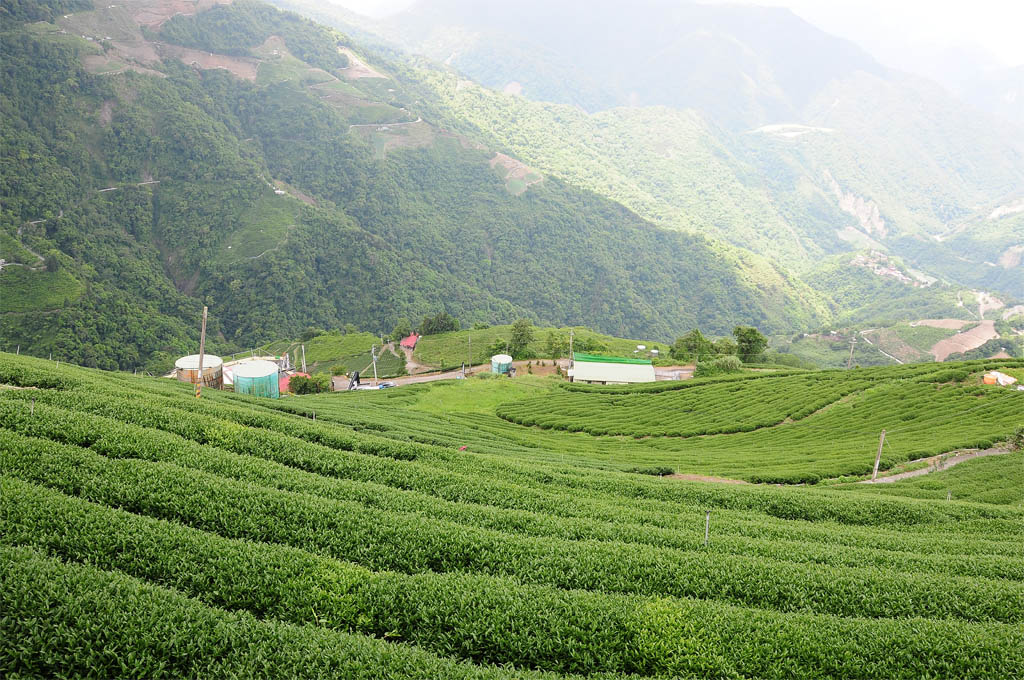
Store Manager's Evaluation of Cifeng Tea
With its beautiful scenery and exceptional tea quality, the Cifeng tea region boasts an unusually high rate of producing great tea every season, making it the store manager’s favorite tea region. Although its CP value (cost-performance ratio) has dropped quite a bit in recent years, it still offers great value for money. Exceptional teas frequently emerge in abundance here, making it the perfect time to stock up. Side note: The Cifeng tea region should actually be called the “Cifeng” (慈峰) tea region; this area is considered Cifeng, while Cifeng (翠峰) is on the other side of the mountain.
The main tea variety is Qingxin Oolong, with small amounts of JinXuan and Tiguanyin. Spring tea is harvested from mid-April to early May, and winter tea from October to November. There is also summer tea, ershui tea, autumn tea, and Winter Sprout Oolong. Having tasted ultra-high-grade autumn teas several times, you really would mistake them for spring or winter teas if no one told you.
| Lishan / Cingjing Tea Region | |||
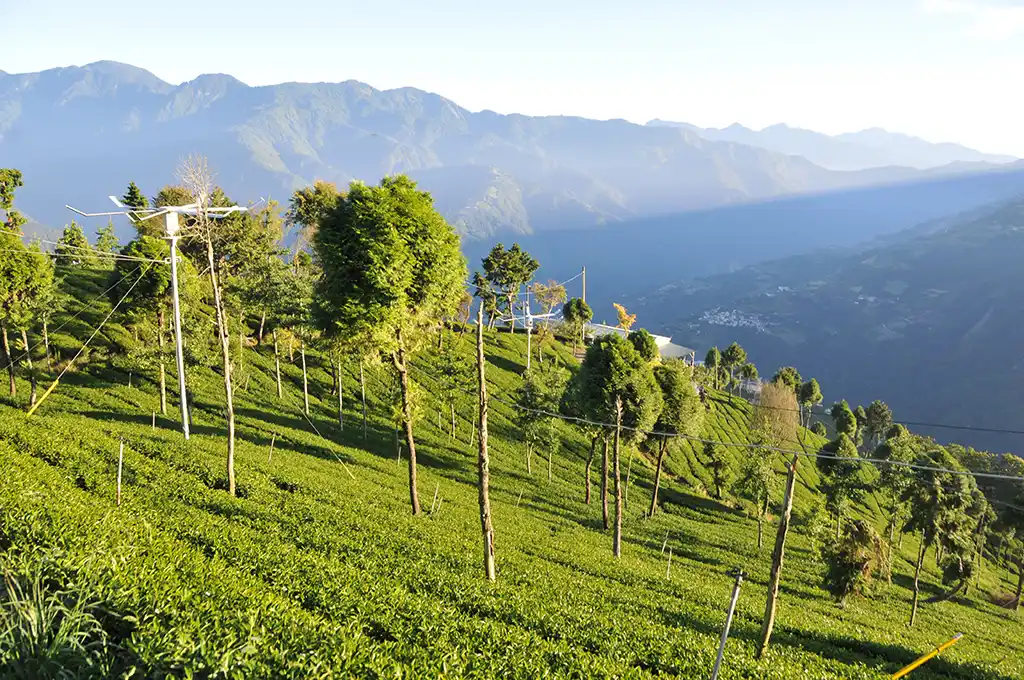
Cuifeng Tea Area FAQ
How to get to the tea area?
There are mainly two routes to enter and exit Cuifeng: one is taking the Lixing Industrial Road to the Cifeng Branch Road, and the other is taking Provincial Highway 14A to the Cuifeng Branch Road. Since Lixing Industrial Road is prone to landslides, Provincial Highway 14A is the better choice. However, the road conditions on the Cuifeng Branch Road are not much better (though it has improved a lot since 2020).
Turn from Provincial Highway 14A onto Cuifeng Branch Road; it is right next to the Cuifeng Police Station on your left after passing Cingjing. The drive from the police station to the tea area takes about 15 minutes. High-clearance and 4-wheel drive vehicles are recommended. The roads are steep and narrow, and vehicles often need to pass each other, so extra caution is required. The nearby Cifeng settlement is also worth visiting if time permits. Google Maps link
Is Cuifeng tea considered Lishan tea?
In the past, the tea industry often classified Cuifeng under the “Greater Lishan Tea Area“. After 2016, the Taichung City Government proposed a rectification, stating that only tea grown within Heping District, Taichung City can be considered Lishan tea. Strictly speaking, therefore, “Cuifeng tea cannot be considered Lishan tea“.